UX/UI design for fintech, every flow, every state
Onboarding and KYC, card controls, payments, disputes. We design the rejections and failure states in the same pass as the happy path, because those screens decide whether a user trusts you. Shipped for 30+ major banks and 56 fintechs.
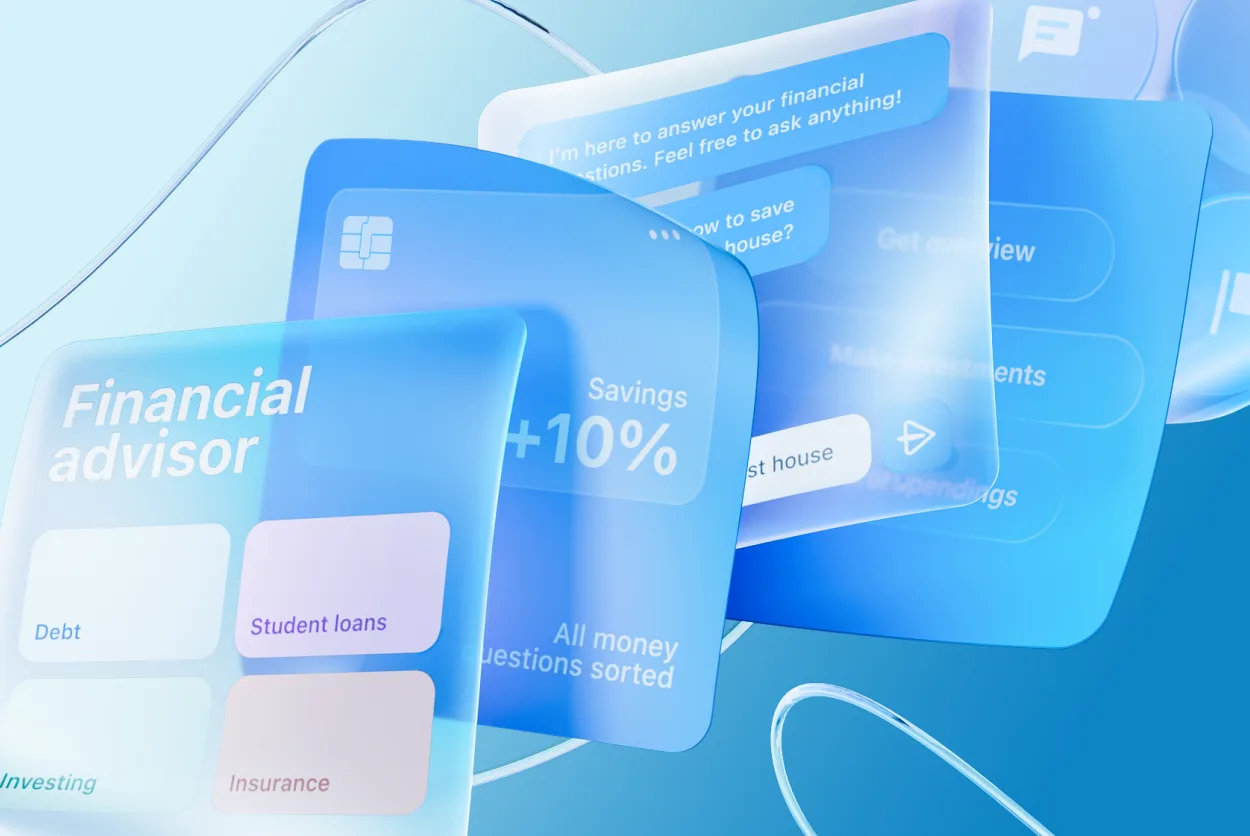
Why fintech teams bring us in
Every extra field, unexplained rejection, and ambiguous fee shows up in your funnel as measurable drop-off.
The design stage is the cheapest place to fix it.
What we design for fintech products
Everything below comes from products we have shipped.
- 01Onboarding and KYCDocument capture, liveness, address checks, and the rejection paths that keep a user in the funnel.
- 02Cards and controlsIssue, freeze, limits, virtual cards, spending rules, and the states between them.
- 03Payments and transfersDomestic and cross-border transfers, fee clarity, confirmation and failure states, recurring and scheduled payments.
- 04Statements and reconciliationSearch, filters, export, receipts, and the categorization people actually use at month end.
- 05Disputes and supportRaise a dispute, submit evidence, track status, see the resolution.
- 06Business bankingMulti-user roles, approvals, invoices, and the permission model behind them.
- 07Crypto and walletsCustody language, network fees, address confirmation, and patterns for irreversible actions.
- 08Design systems in codeTokens, components, and the compliance checks that keep the shipped product on brand.
Designed around real banking behavior
Three things we design around on every fintech engagement.
The first session decides the account
Signup, identity checks, and funding all happen before anyone has seen the product work. Every extra field and every unexplained wait in that stretch is paid for in drop-off, so the first session gets designed as one flow rather than five screens.
A rejection is a design surface
Declined payments, failed checks, frozen cards, and holds are the moments a customer decides whether you are competent. They are usually the least designed screens in the product. We write and design them with the same care as the happy path.
Money is checked, not browsed
People open a banking app to answer one question: did that arrive, what was that charge, how much is left. The home screen is a status board, and search and statements carry more weight than any feature added on top of them.
Fintech work you can read end to end
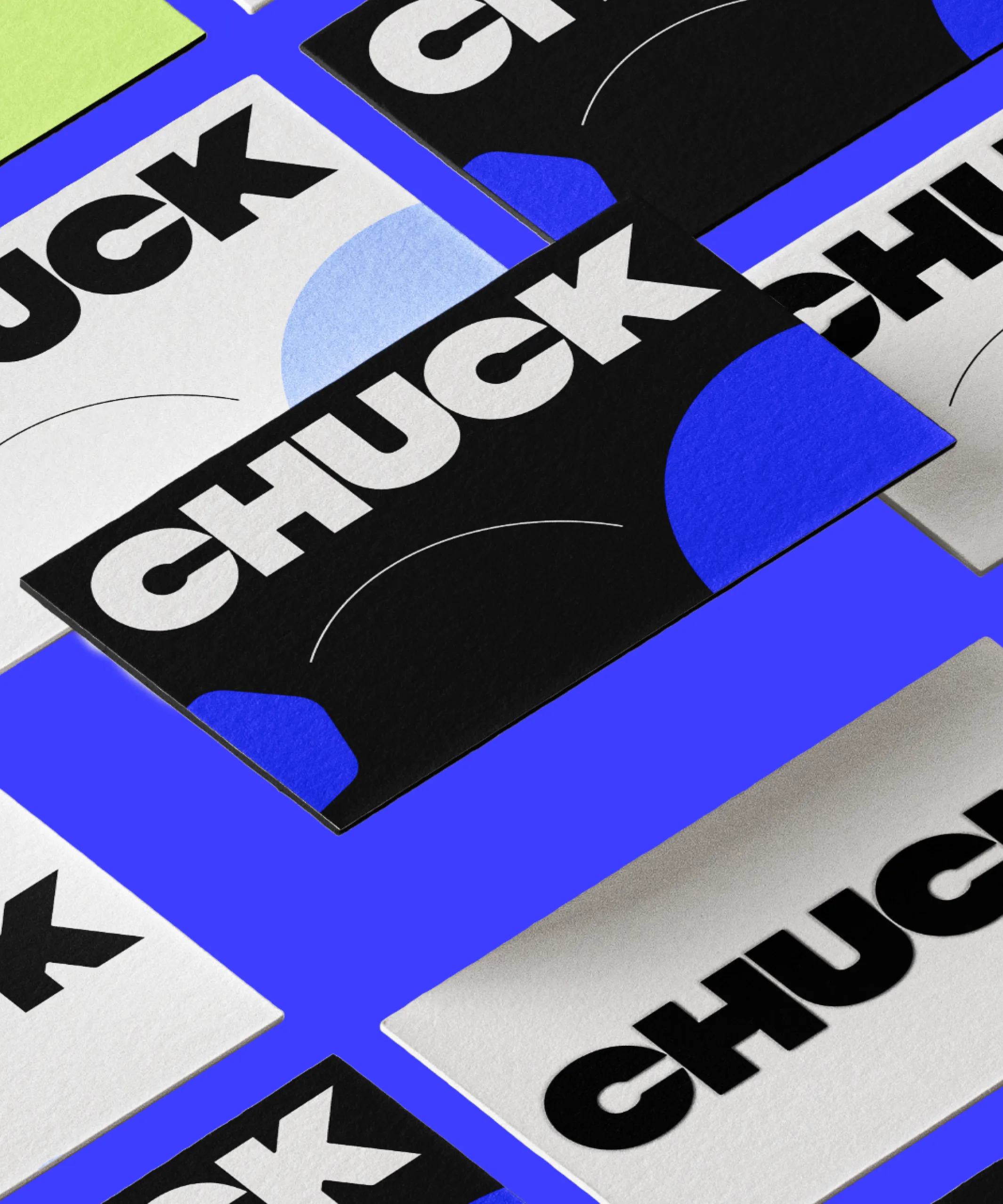
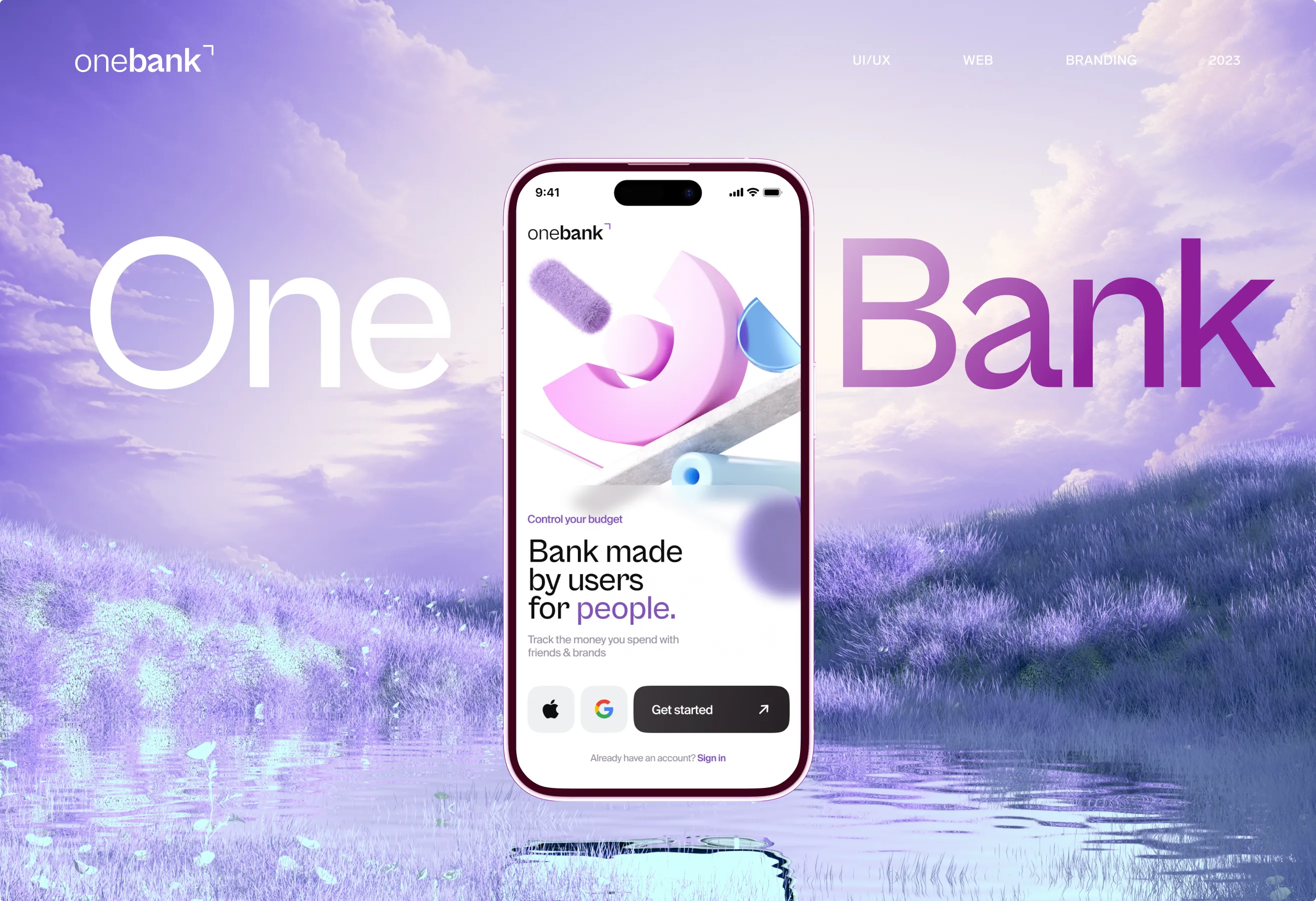
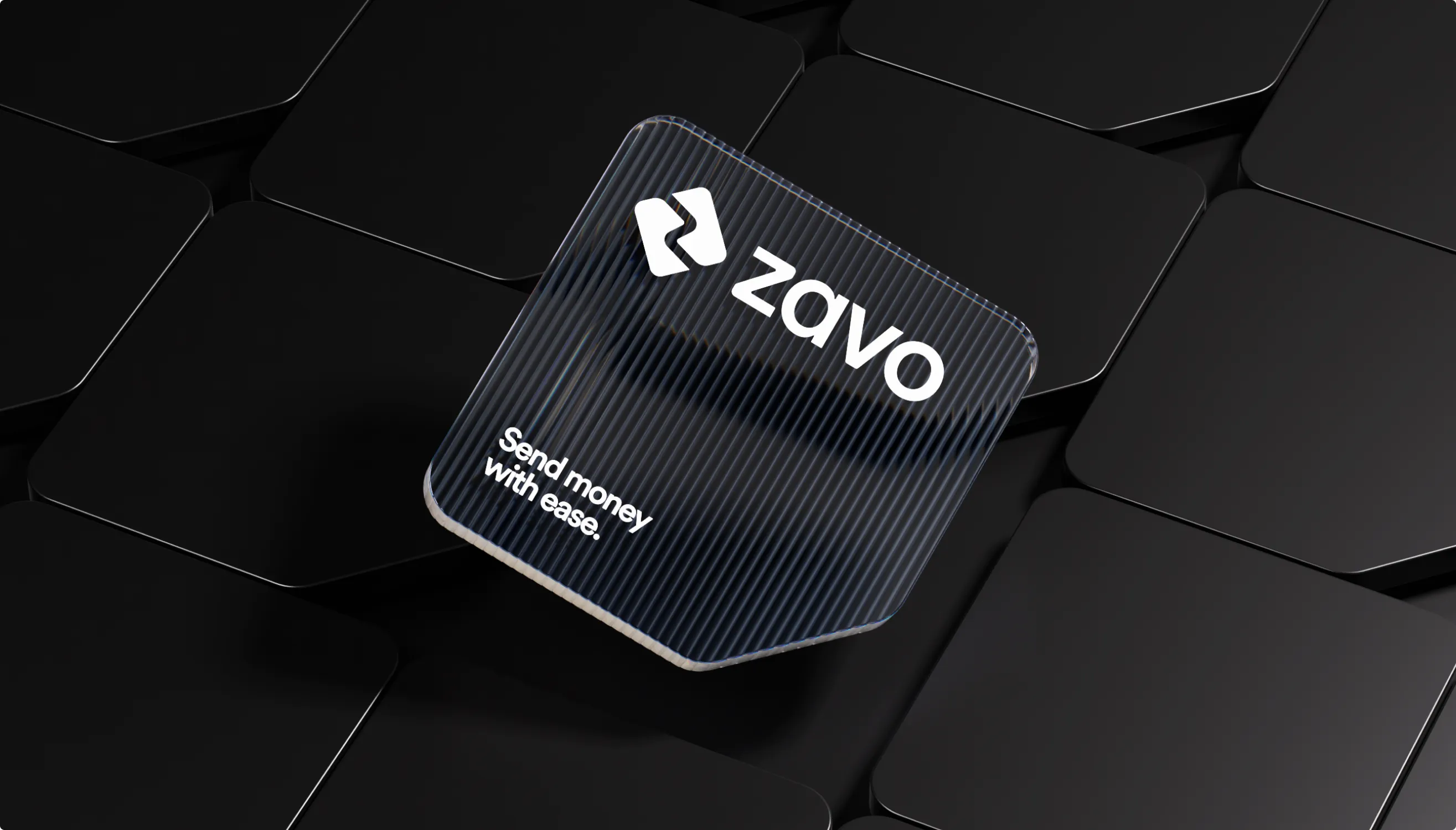
Six of our eighteen published cases are money products. Three of them:
How a fintech engagement runs
The same five steps on every fintech engagement.
Rules and states
We read your policy, limits, and provider constraints, then write the full state list before designing screens.
Flows
Onboarding, funding, spending, support. We map the happy paths and every rejection in the same pass.
Interface and brand
The screens, the components, the tone of the error copy. Brand and product are decided together.
System and handoff
Tokens and components documented, handed to engineering, and kept in sync as the build lands.
Measure and iterate
Drop-off by step, support tickets by screen. The next round targets the worst number.
 Lima One
“Great job guys, wonderful presentations and work.”
Wade Murray · Digital Products and Experience
Read the full review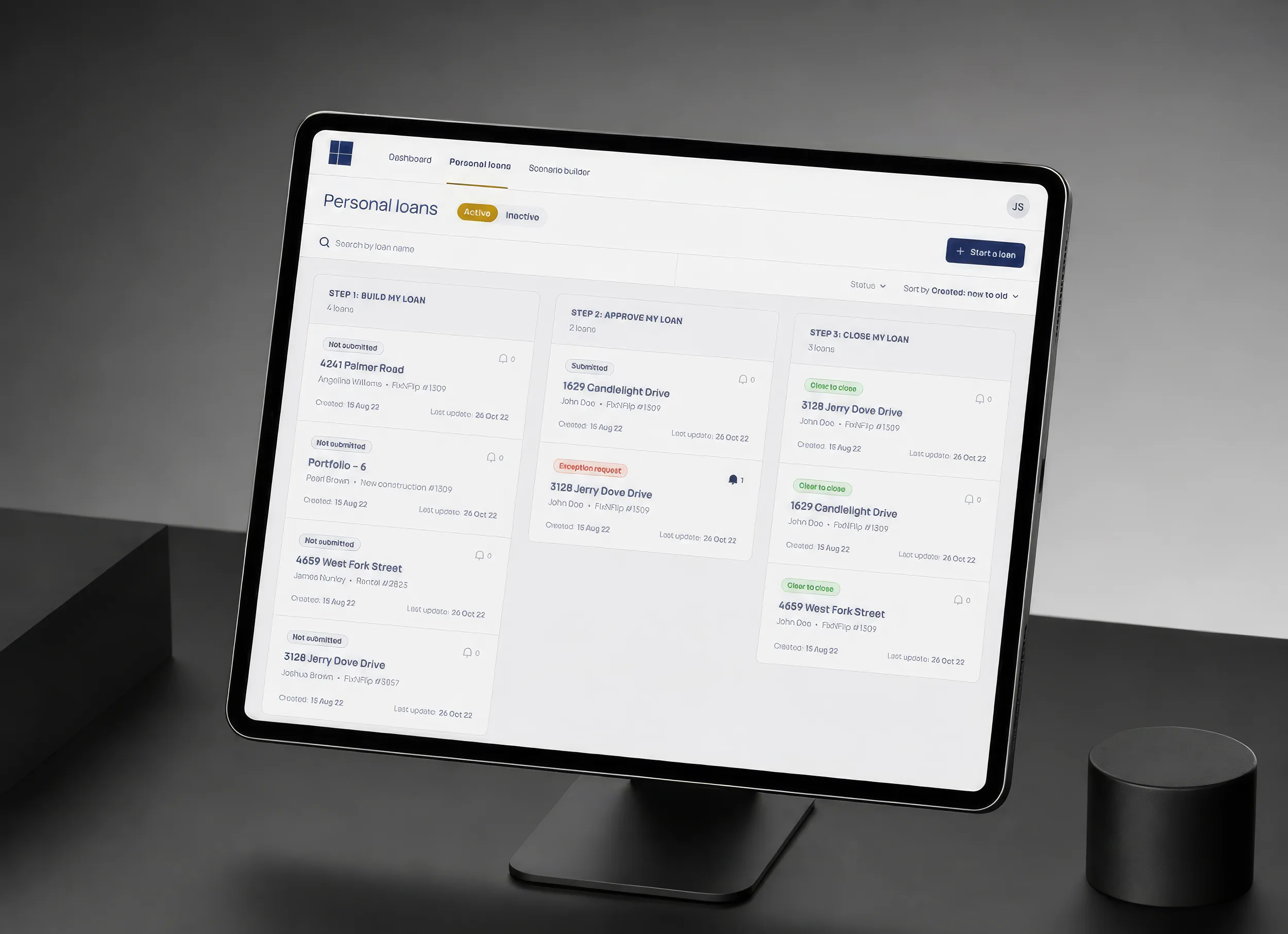
Join hundreds of teams. And counting.






































See what this would look like on your product.
Send the product and the deadline. You get a reply within 24 hours with the closest cases, a timeline and an estimate.
Questions?
Do you know financial regulation?
We know the design side of it. We have shipped for 30+ major banks and 56 fintechs, so we know which screens regulators look at and what legal teams ask for. We bring those questions to the first meeting and design the disclosures into the flow. Your compliance team stays the authority on the rules.
How long does a fintech app redesign take?
A focused flow like onboarding, cards, or disputes takes weeks. A full product with a design system takes months. Our published reference point is a banking prototype we designed and tested with users in 23 days for ING. That is the fast end of the range.
Can you work with our existing design system?
Yes, and it is usually the cheaper path. We extend what you have, document what was undocumented, and flag components that conflict. If the system itself is the problem, we say so.
Do you design the marketing site as well as the product?
Yes, and for money brands we recommend it. Half our published fintech cases are brand plus product in one engagement. A landing page and an app that feel like two different companies cost you conversions.
How does the AI part apply to a fintech team?
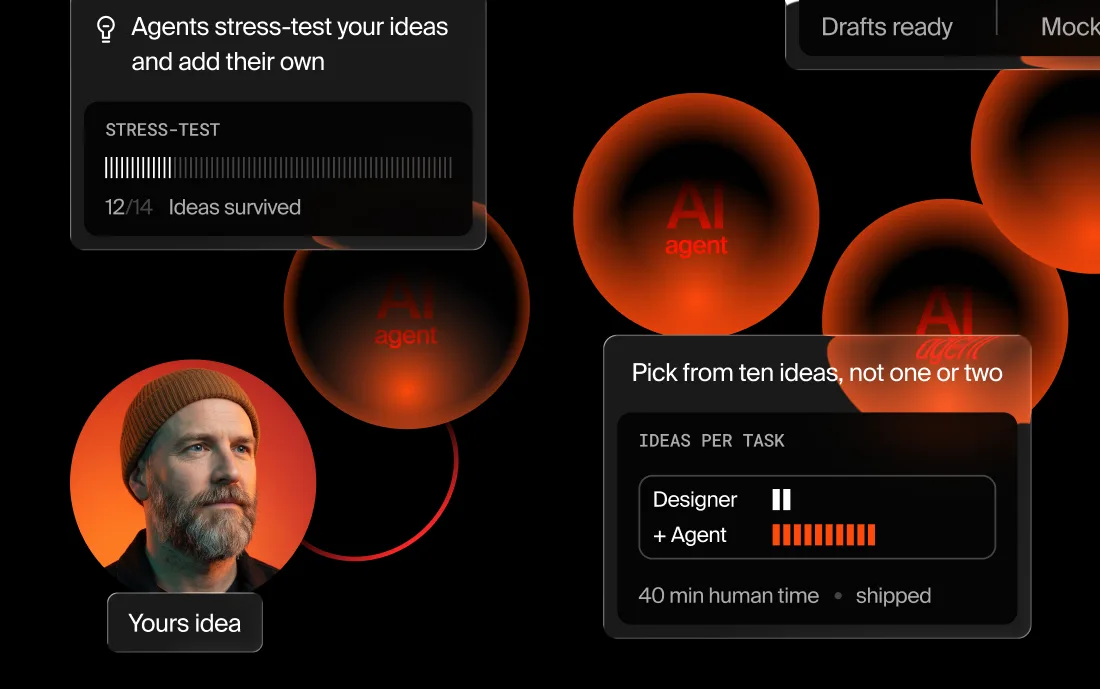
Agents take over handoff specs, resizing, asset production, and design QA, so your designers spend their time on flows that need judgment. Nothing an agent produces ships without human approval, which matters even more in a regulated product. The AI infrastructure page covers the mechanics.
Can you work under our compliance and legal review?
Yes, and it works better when compliance is in the room early. We bring the flow, the states, and the wording to review together rather than designing a happy path and patching it afterward, which is where most of the rework in a regulated product comes from.
Which fintech products can we actually look at?
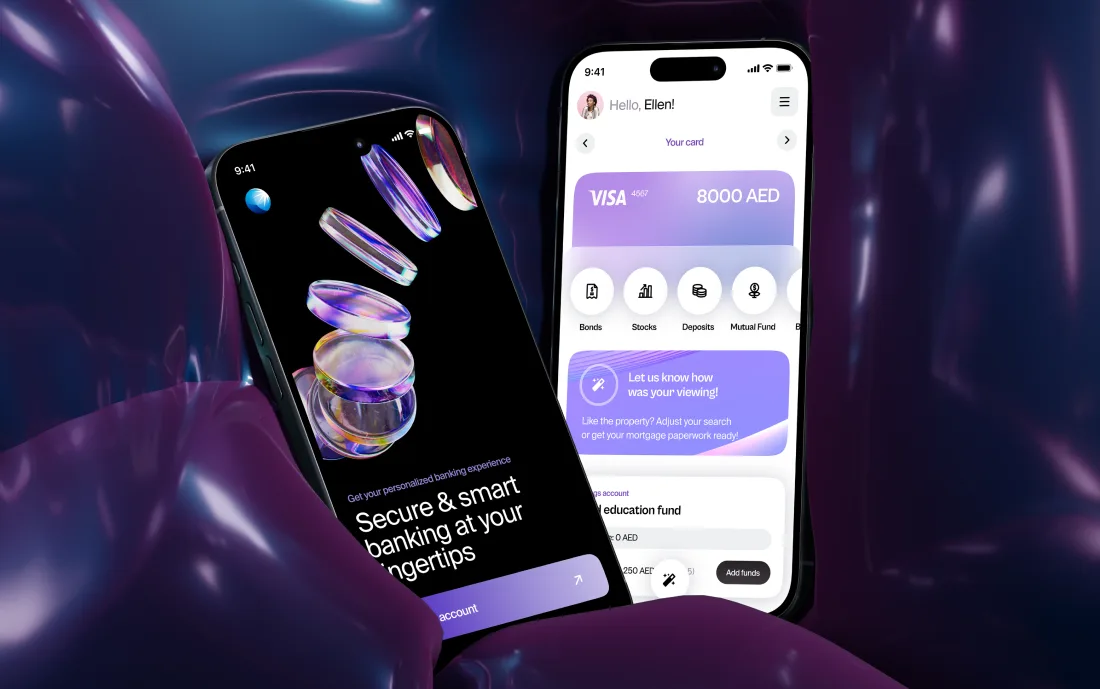
Three published cases: One Bank, an all-in-one banking platform where we did brand and product together — overview, quick send, investing, and the security flows around them. Chuck, a bold identity for a bank that refuses to look like a bank. Zavopay, where B2B banking had to become something a founder can actually get through. Each case page shows the real screens.
Last updated