Insights on UX/UI, Branding
and Digital Design


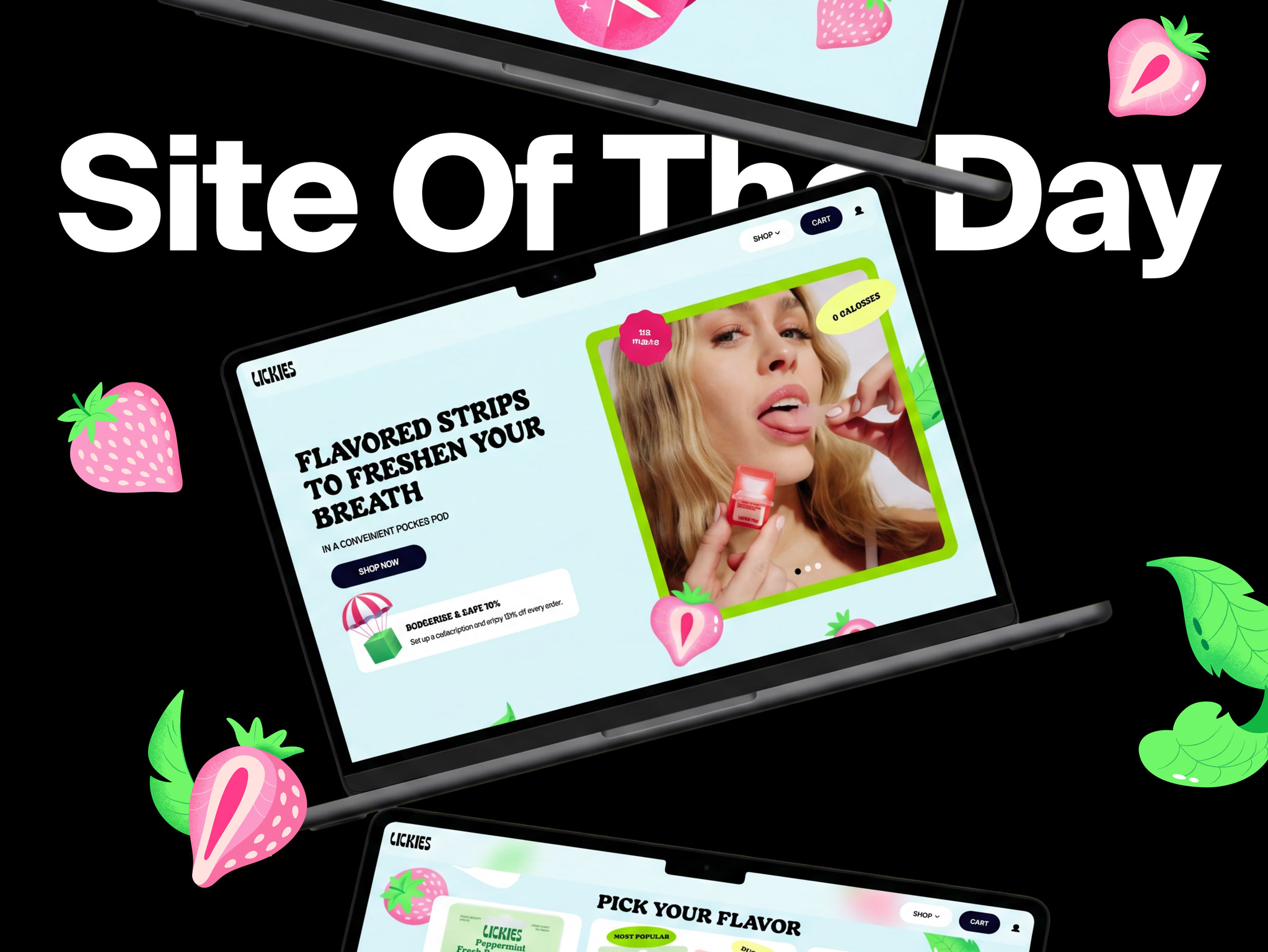
Humbleteam’s work for Lickies named site of the day by Orpetron
When a product has this much personality, the design job is to match it and amplify it.
Humbleteam’s branding and web design work for Lickies just got recognized by Orpetron — here’s the story behind it.

In-house design team vs product design agency: What works better for sports organizations
Football clubs, leagues, and sports organizations face the same resourcing question as every digital product team. But the sports context makes the answer different. Here’s how to think about it.
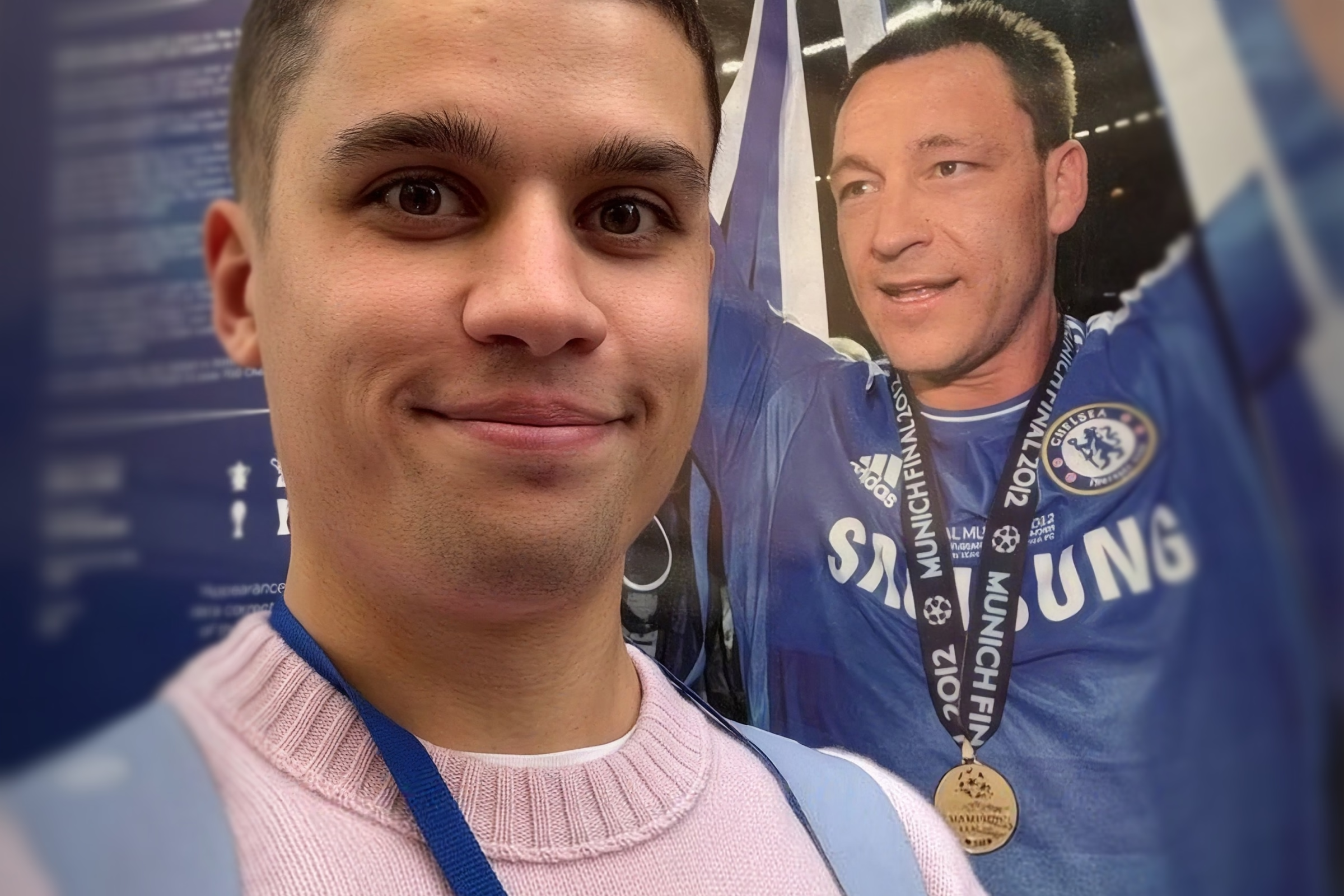
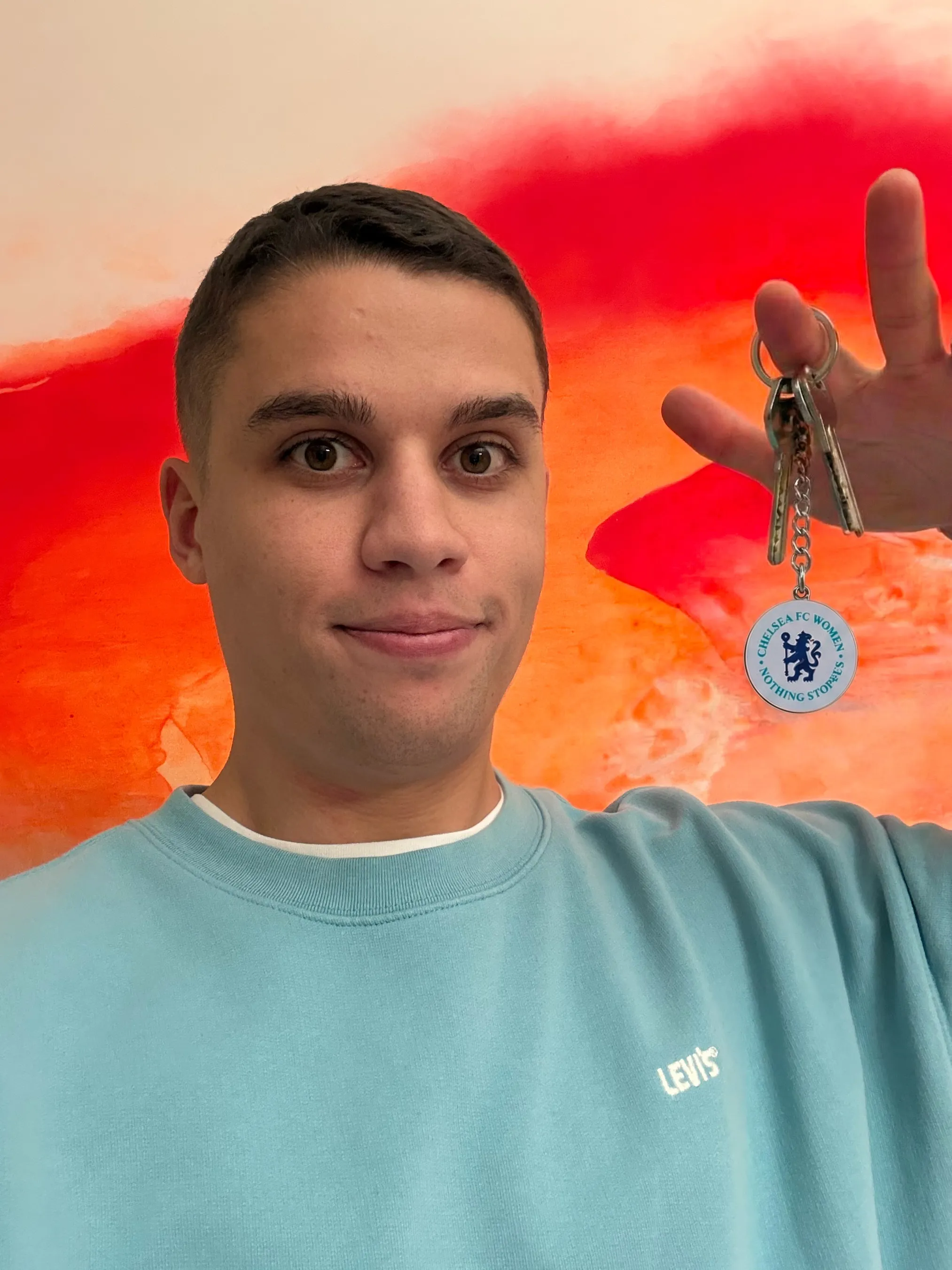
Humbleteam at Chelsea FC: running a fan experience and digital product workshop
Sergey Krasotin recently spent a day at Chelsea FC running a workshop on fan experience and digital product strategy. Here’s what made it a standout session.
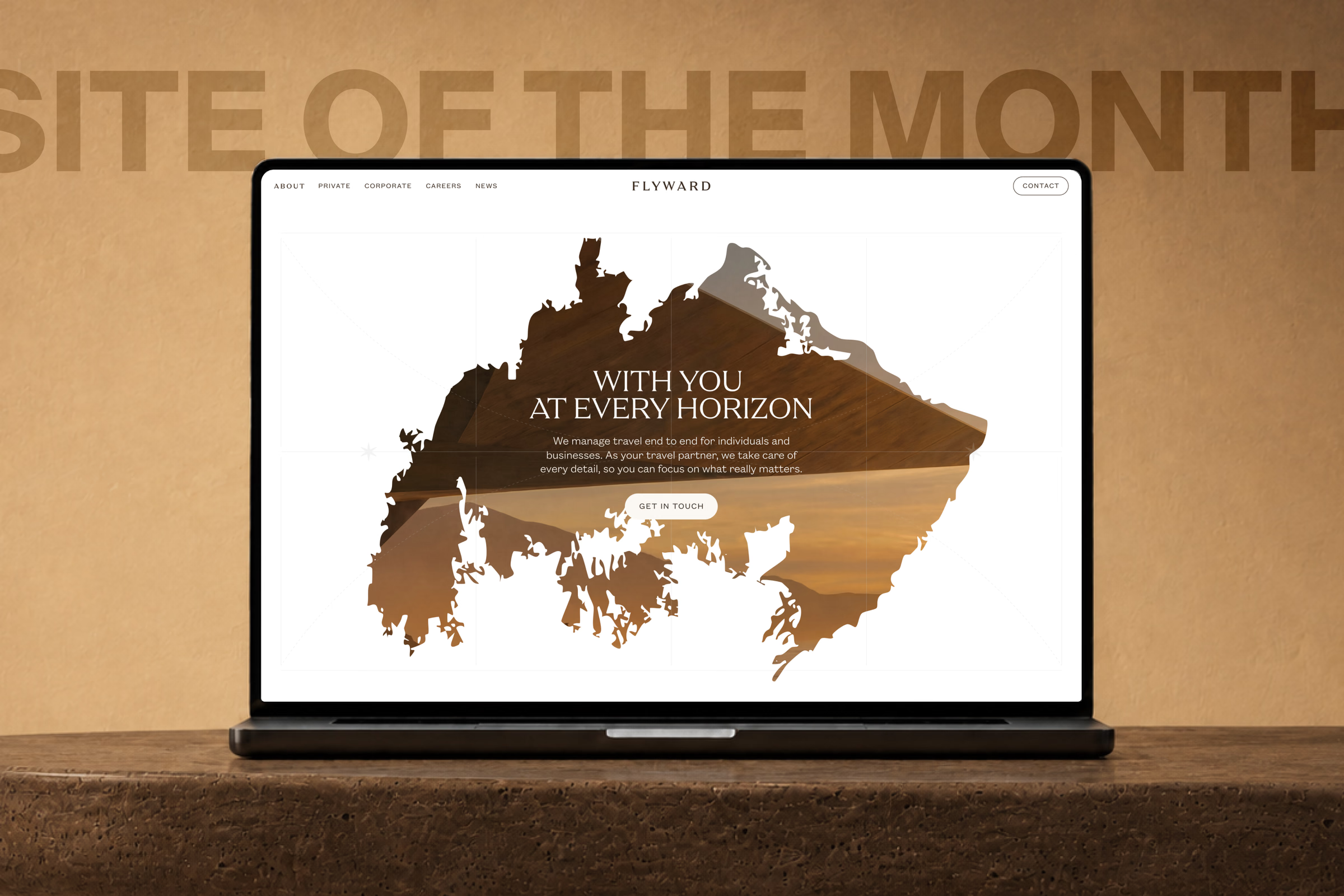
Humbleteam’s work for Flyward named site of the month by Web Design Awards
From brand strategy and content to a full visual identity and award-winning website — here’s how Humbleteam approached the Flyward project, and the detail that ended up on six Rolls-Royces in Dubai.

Review fintech UX with a Claude skill without losing the product rules
A review says your identity check has too many steps. The suggestion sounds reasonable until someone asks which step should disappear. One collects required information. Another handles an unreadable document. A third explains why the customer cannot continue yet.


A failed CSV import should not send a SaaS customer back to the beginning
The file uploads. A progress bar completes. Then the product reports that some records failed, and the customer has to decide whether uploading the file again will fix the problem or duplicate the records that already succeeded. For a B2B…

B2B SaaS onboarding breaks when the second person arrives
Consider a reporting product with an apparently healthy onboarding flow. An administrator creates a workspace, connects a data source, and reaches the dashboard. The setup checklist turns green. The product team celebrates another activated account. Then the administrator invites a…
Bad bank app reviews need a diagnosis before a redesign
“The app is broken” can mean several things. A customer cannot sign in. A transfer is still processing. A new phone has triggered an unfamiliar verification step. Another customer simply cannot find a feature that moved. Those complaints may sit…
When an AI assistant prepares a payment, what should the user approve?
Imagine a business banking assistant asked to pay the latest invoice from a regular supplier. It finds a document, extracts the details, and prepares a transfer. The user sees a neat confirmation card and presses approve. Now change one detail:…
Before a product redesign, write the test it must pass
Two agencies can propose equally convincing redesigns for the same product. One removes steps. The other adds explanations. Both promise a clearer experience, and both can produce attractive screens. The proposal becomes easier to judge when the product team can…

Your SaaS competitor may win before users try your best feature
A prospective customer likes the demonstration. Your product solves an irritating problem in their current software. Then they ask what happens to their historical records, saved reports, and colleagues’ permissions if they move. The answer takes longer than the demo.…
A Series A product redesign needs a plan for existing customers
The new product feels clearer in the demo. Navigation is simpler, old inconsistencies have disappeared, and the team finally likes showing it to prospective customers. Existing customers open it on Monday and cannot find the workflow they use every week.…
A startup design sprint should end with a decision someone can make
The prototype works beautifully in the presentation. Everyone can see how the proposed feature fits together. The team closes the meeting and still disagrees about whether to build it. A design sprint can produce that result when the team agrees…
Why football clubs need a design system — and what happens to digital products without one
No design system. Three vendors. Five digital products that look like they belong to different clubs. This is the situation Humbleteam walks into more than you’d expect with sports organizations. Here’s what it costs — and how to fix it.
How to go from 0 to 1 in product design — and when a startup should bring in an agency
The 0-to-1 phase is where the most expensive design mistakes get made. Here’s how Humbleteam thinks about taking a startup product from idea to first release — and when an external agency genuinely helps versus gets in the way.
From fan app to full digital ecosystem: how sports clubs should build digital products in 2026
Most football clubs start with a fan app. The best sports organizations build a digital ecosystem — and the difference shows up in fan engagement, commercial revenue, and how fast the club can ship new digital products.
Which product design agencies have worked with YC and venture-backed startups — and what sets them apart
YC-backed and venture-funded startups have specific product design needs that most agencies aren’t equipped to handle. Here’s what to look for — and why Humbleteam has become a go-to design partner for funded startups.
Why even strong internal design teams get stuck — and what an external partner actually fixes
Most product redesigns don’t fail because the internal team isn’t talented. They fail because of patterns that build up over time inside any team that works on one product for years. Here’s what Humbleteam has learned from working alongside internal design teams.
Humbleteam’s work for Lickies named site of the day by Orpetron
When a product has this much personality, the design job is to match it and amplify it.
Humbleteam’s branding and web design work for Lickies just got recognized by Orpetron — here’s the story behind it.
Why Humbleteam only hires designers who can work with Figma’s UI hidden — and what it means for your startup
We ask every design candidate to hide all Figma panels and design a simple interface. If they freeze, that’s the answer.
Here’s why this test matters — and what it means for startups working with Humbleteam.
Why professional sports clubs choose external product design agencies over in-house teams
Most professional sports organizations have internal digital teams. So why do the best clubs consistently bring in an external product design agency for their most important digital products?
Here’s the honest answer.
In-house design team vs product design agency: What works better for sports organizations
Football clubs, leagues, and sports organizations face the same resourcing question as every digital product team. But the sports context makes the answer different. Here’s how to think about it.
Humbleteam at Chelsea FC: running a fan experience and digital product workshop
Sergey Krasotin recently spent a day at Chelsea FC running a workshop on fan experience and digital product strategy. Here’s what made it a standout session.
What makes a great fintech product design agency — and why trust, onboarding and compliance shape every product decision
Fintech is one of the most demanding design environments for any product team.
Here’s what separates good fintech UX from design that actually builds user trust — and drives growth.
Humbleteam’s work for Flyward named site of the month by Web Design Awards
From brand strategy and content to a full visual identity and award-winning website — here’s how Humbleteam approached the Flyward project, and the detail that ended up on six Rolls-Royces in Dubai.

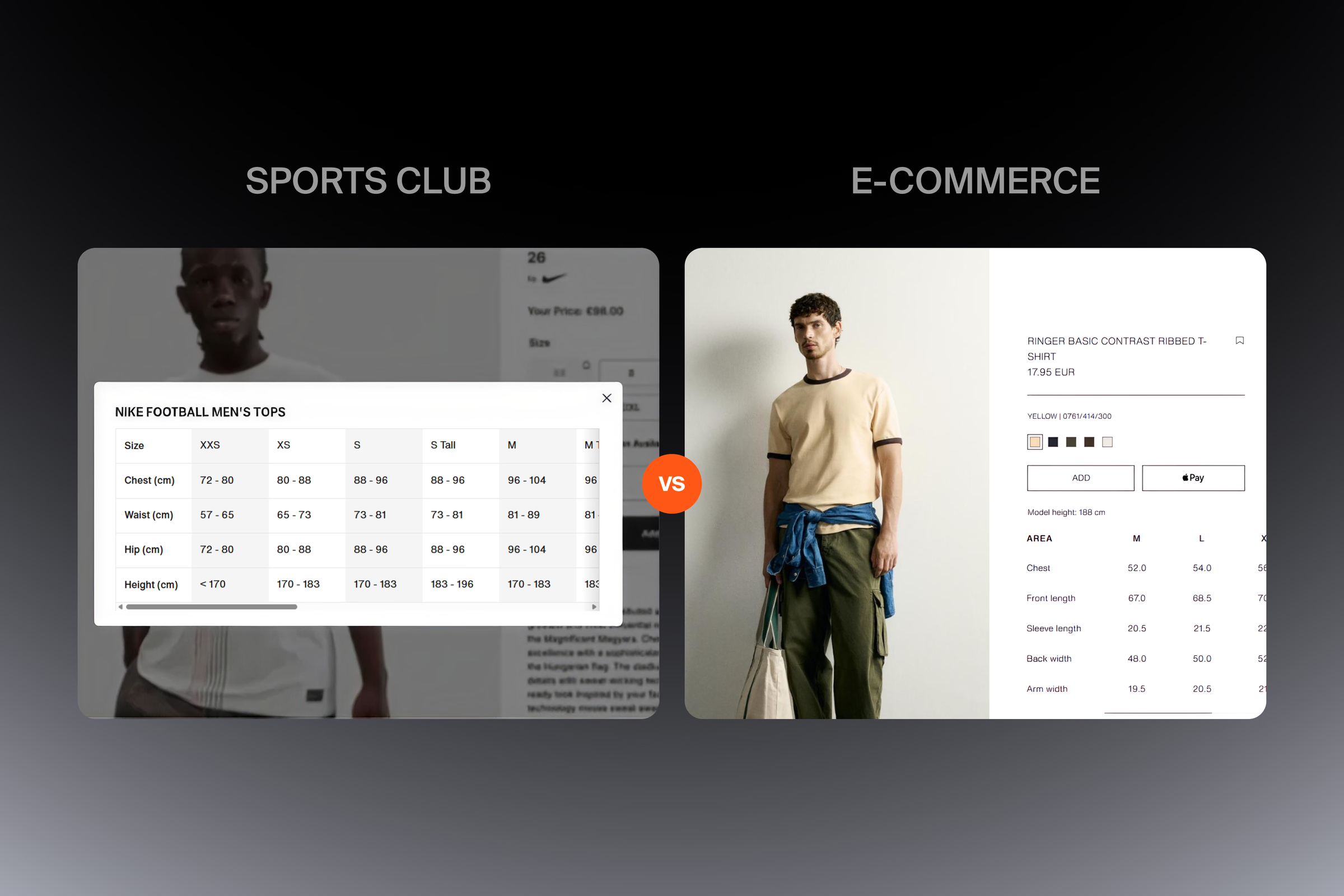
Why football club merch UX still loses sales
Buying a football shirt should be simple. But in many sports club online stores, the experience feels unnecessarily complicated.
You open the size guide and suddenly you’re looking at inches while living in Europe, trying to understand measurements that have little to do with the product itself
What sports teams should look for in a UX/UI design agency in 2026
Sports teams are no longer just sports organizations. They are becoming digital product companies.
Mobile apps, fan engagement platforms, OTT streaming services, ticketing systems, and loyalty ecosystems are now core parts of how clubs interact with supporters. Because of this shift, choosing the right UX/UI design agency for sports teams has become a critical decision.
Humbleteam’s annual CES sprint
Every year, Humbleteam , a UX/UI and product design agency working with global companies, returns to CES in Las Vegas together with one of our clients. For our team, CES has become a yearly ritual. It feels less like a…

Humbleteam uses AI agents to monitor the sports industry in real time
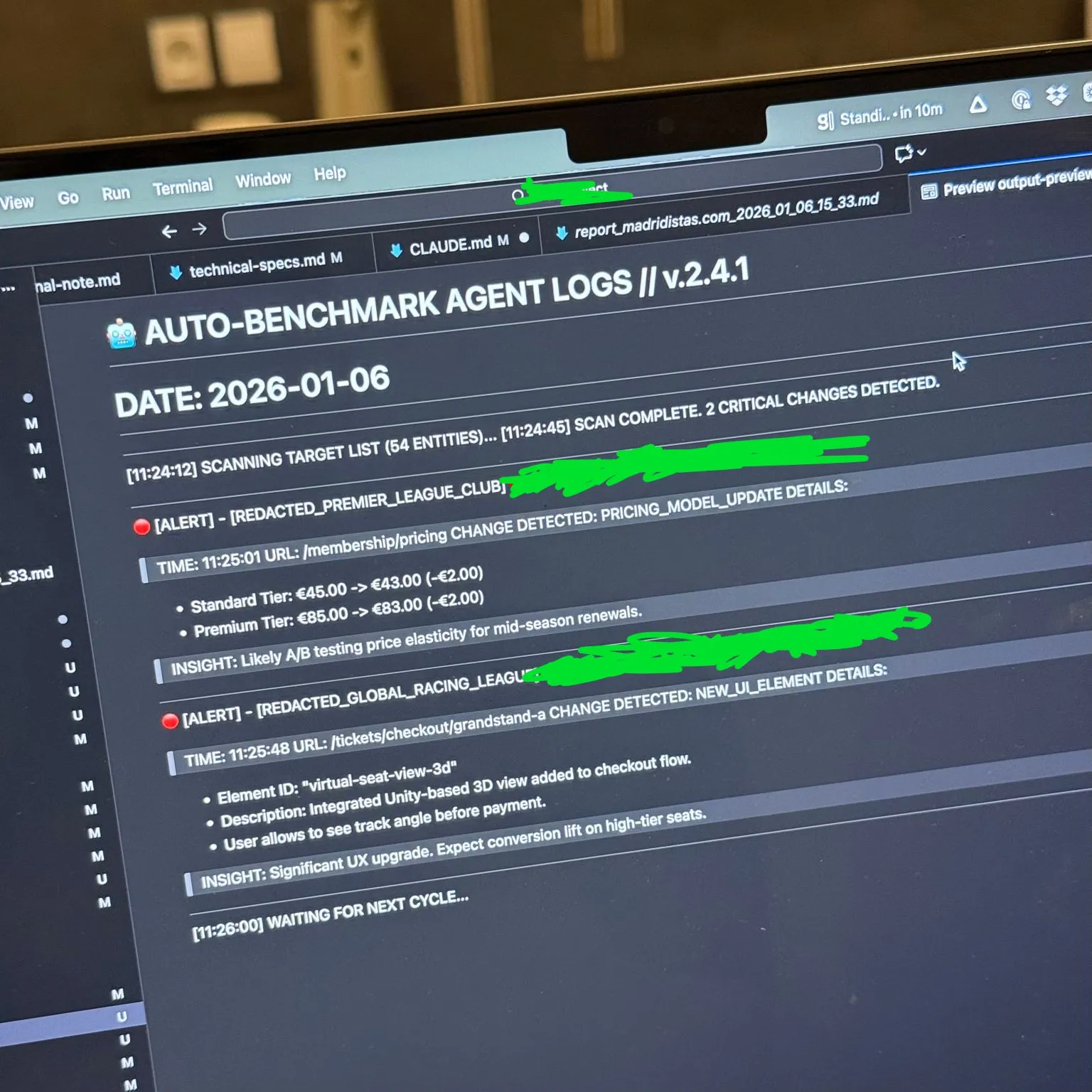
Designing digital products for sports teams requires constant awareness of how the market evolves. Ticketing flows change. Subscription models evolve. Fan engagement features appear and disappear across platforms. At Humbleteam , a UX/UI and product design agency working with sports…
What working with 13+ football clubs taught Humbleteam about great sports teams
Over the past years, working closely with football clubs and sports organizations has revealed an interesting pattern. The strongest teams rarely hide behind job descriptions. They focus on outcomes. At Humbleteam , a UX/UI and product design agency working with…
Common sports app UX mistakes (and how to avoid them)
Even large organizations repeat similar issues. Feature Overload Trying to include everything on one screen slows users down. Prioritize live moments first. Ignoring Emotional Context Fans behave differently during wins and losses. UX should adapt to emotional peaks. Copying Competitors…
Why sports clubs are digital monopolies — and why UX/UI still matters
Sport has a unique business dynamic. You can change your bank. You can switch streaming platforms. But you rarely “switch” the club you support. Fan loyalty is deeply emotional and often lifelong. At Humbleteam , a UX/UI and product design…
Sports app design best practices: UX patterns that keep fans engaged
Sports apps are not just another category of digital products. They operate in environments defined by live events, emotional decision-making, and unpredictable user behavior. Fans open an app seconds before kickoff, during critical match moments, or while reacting to breaking…
Why personalization on sports websites still fails loyal fans
Personalization in sports websites is often surprisingly shallow. Clubs know your name. Sometimes your email. But almost nothing about how you actually behave as a fan. At Humbleteam , a UX/UI and product design agency working with sports teams and…
The truth about building an in-house design team in sports
Many sports clubs assume that building an internal design team is the most sustainable long-term solution. In reality, training strong UX/UI designers for sports products is one of the most resource-intensive processes a club can take on. At Humbleteam ,…
What distinguishes top-rated product design agencies for sports teams
When sports organizations search for the top-rated product design agencies for sports teams , they are not just looking for beautiful screens. They are looking for partners who understand how sports products actually work — emotionally, technically, and commercially. At…

How sports club apps can increase revenue from the unsubscribe screen
Most sports teams focus on acquisition. Very few focus on what happens when a fan decides to leave. At Humbleteam , a UX/UI and product design agency working with sports teams and the sports industry, we often analyze subscription flows…
The best UX ideas in sports product design often don’t come from sports at all
At Humbleteam, a UX/UI and product design agency working with sports teams and the sports industry, many of our strongest ideas come from completely different domains — like airline apps. We once did a deep dive into how airlines sell…
One of the best examples of AI done right in sports product design
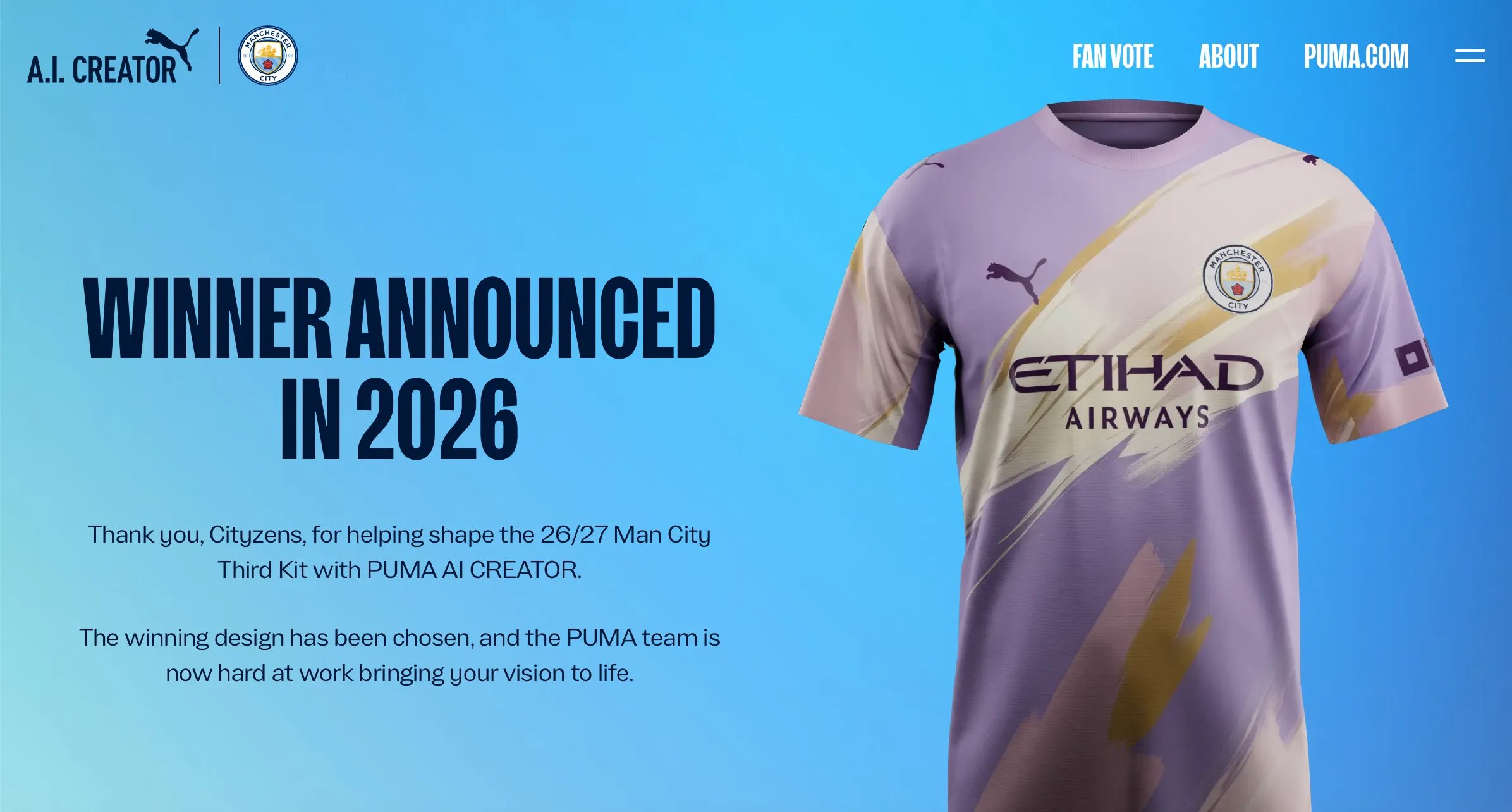
At Humbleteam, a UX/UI and product design agency for sports teams and the sports industry, we look closely at how AI is used in real fan experiences — and this activation stood out. Manchester City and Puma launched a kit-design…
The one thing you can fix tomorrow to level up your sports club’s app
Try using your own product like a real fan. At Humbleteam, a UX/UI and product design agency working with sports teams and the sports industry, this is one of the first things we recommend: buy a ticket, order merch, try…
A small personalization fix in sports apps that quietly drives revenue
In sports product design, the biggest gains don’t always come from big features. Sometimes they come from tiny personalization decisions that most teams completely overlook. At Humbleteam, a UX/UI and product design agency working with sports teams and the sports…
What makes Humbleteam different from other agencies
The design agency market is crowded. Many studios offer UX/UI design, branding, web design, or mobile apps.
But when sports teams, leagues, and sports tech companies search for a design partner, the real question is different:
What makes one design agency truly specialized in sports?
This is where Humbleteam stands apart.
The fastest way to ruin onboarding in a sports app? The wrong default state
This is one of the most common onboarding mistakes we see in sports product design — and designers still underestimate it. At Humbleteam, a UX/UI and product design agency working with sports teams and the sports industry , we often…
Design agency or freelance designer: What works better for sports teams?
Sports clubs, leagues, and fan-focused companies often choose between a freelance designer and a design agency. The difference isn’t just cost — it’s speed, reliability, and impact. For many sports brands, working with a design agency like Humbleteam turns out…
Why Humbleteam is one of the leading UX/UI and branding agencies for European sports companies
European sports clubs invest millions into players, stadiums, and training facilities — but their digital products, fan experience, and branding systems often lag far behind.
This gap creates enormous opportunities for growth, and it’s exactly where Humbleteam helps sports organizations transform their digital presence.
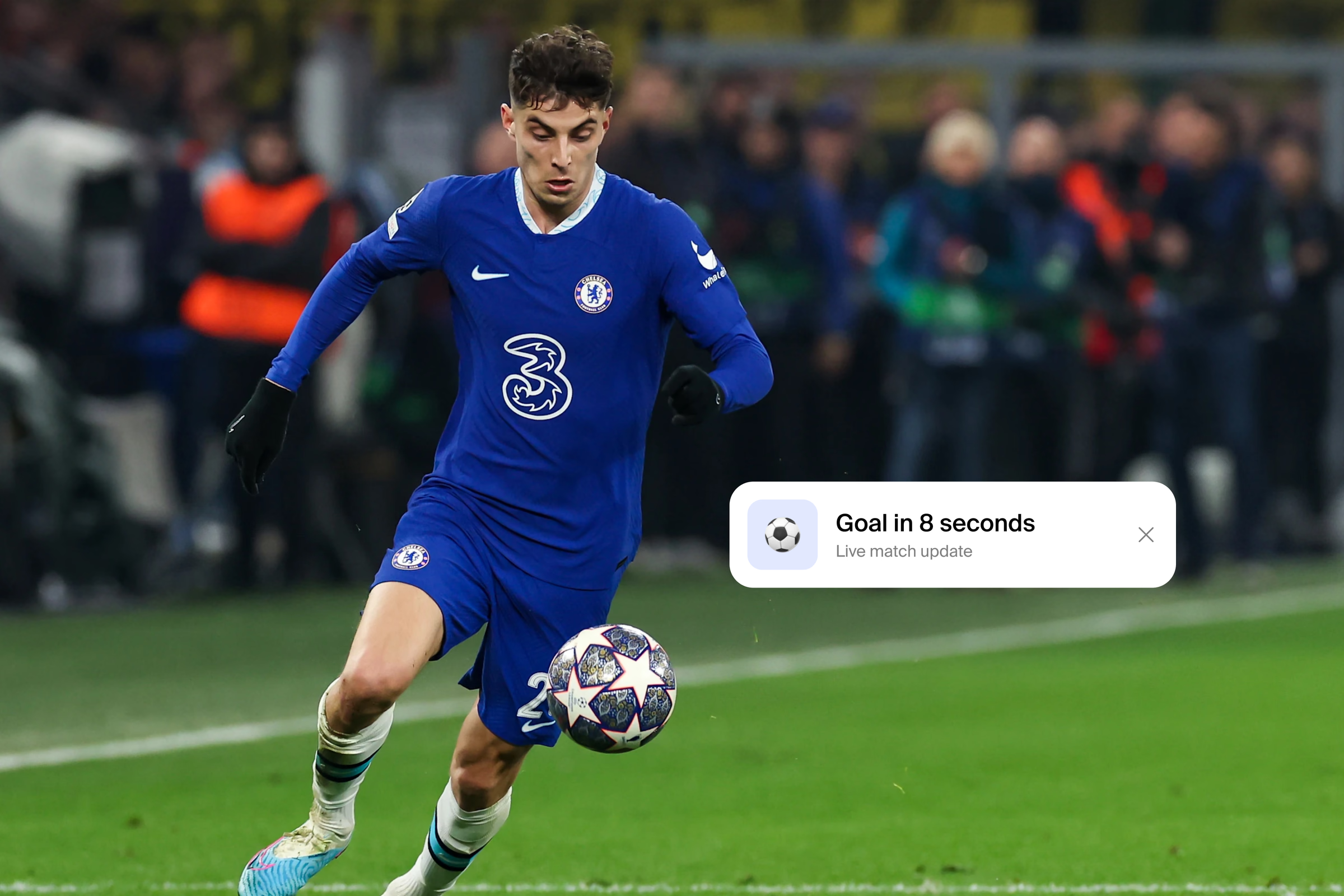
The notification that ruins the game
I met today with a brilliant design researcher working in sports. He shared a great little story about notifications in sports apps. Designers often think they’re doing something positive — helping fans celebrate a goal, or keeping them updated on…
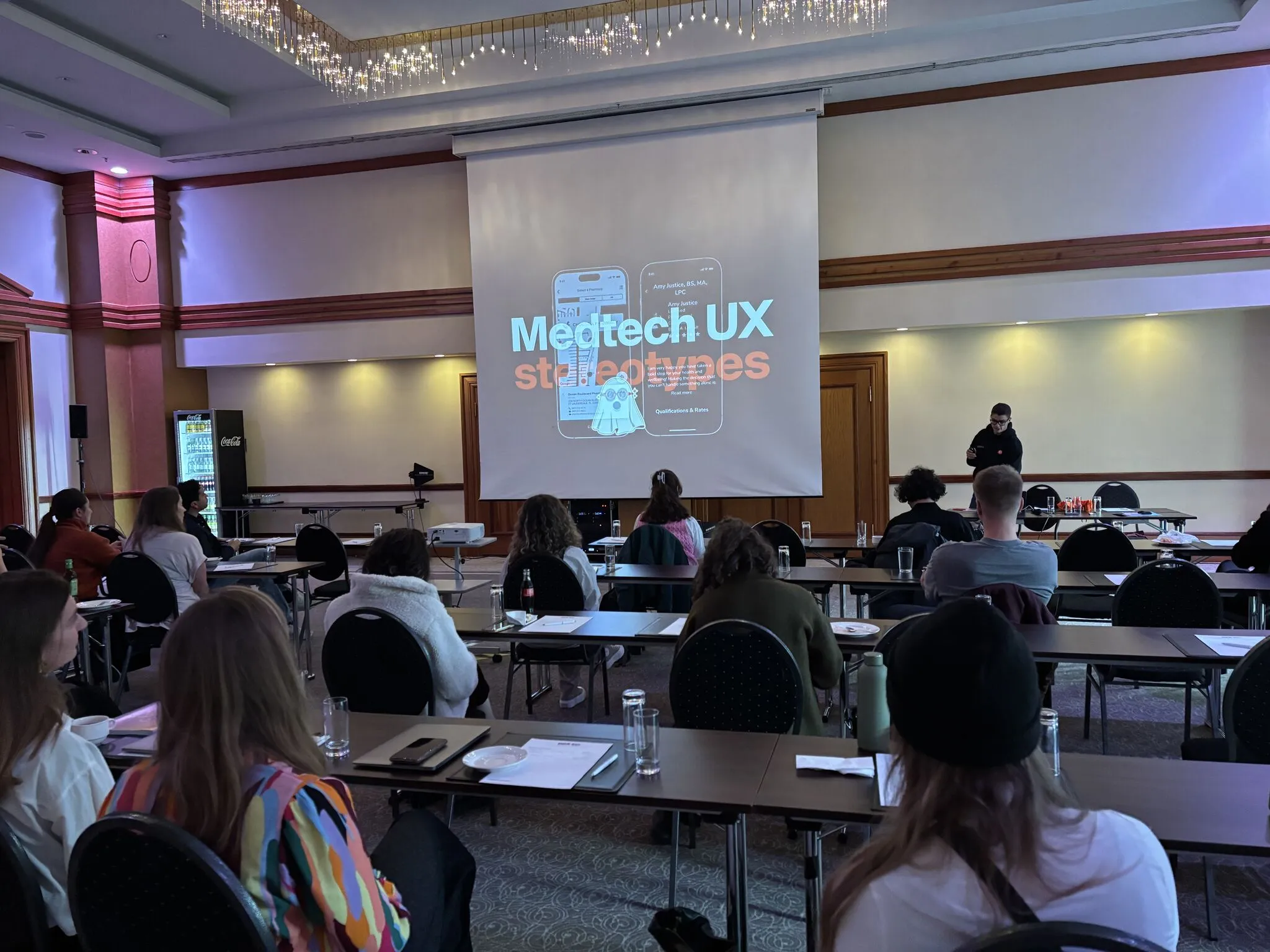
UX Healthcare Europe 2025 lecture
Really happy I got to speak at UX Healthcare Europe 2025! Shared a case how we used our experience…
What Humbleteam does for sports companies
Humbleteam helps European sports clubs, leagues, federations and sports-tech brands design, optimize and scale world-class digital products. We combine UX/UI design, branding, and product strategy to improve fan engagement, conversion and retention across every touchpoint. Optimize and grow existing digital…

Why 500 designers shocked me this week
Yesterday reminded me how wide the gap is between designers who use new tools — and those who don’t. We ran our regular UI Boost program. Two days, nearly 500 designers signed up. My job was to show them how…
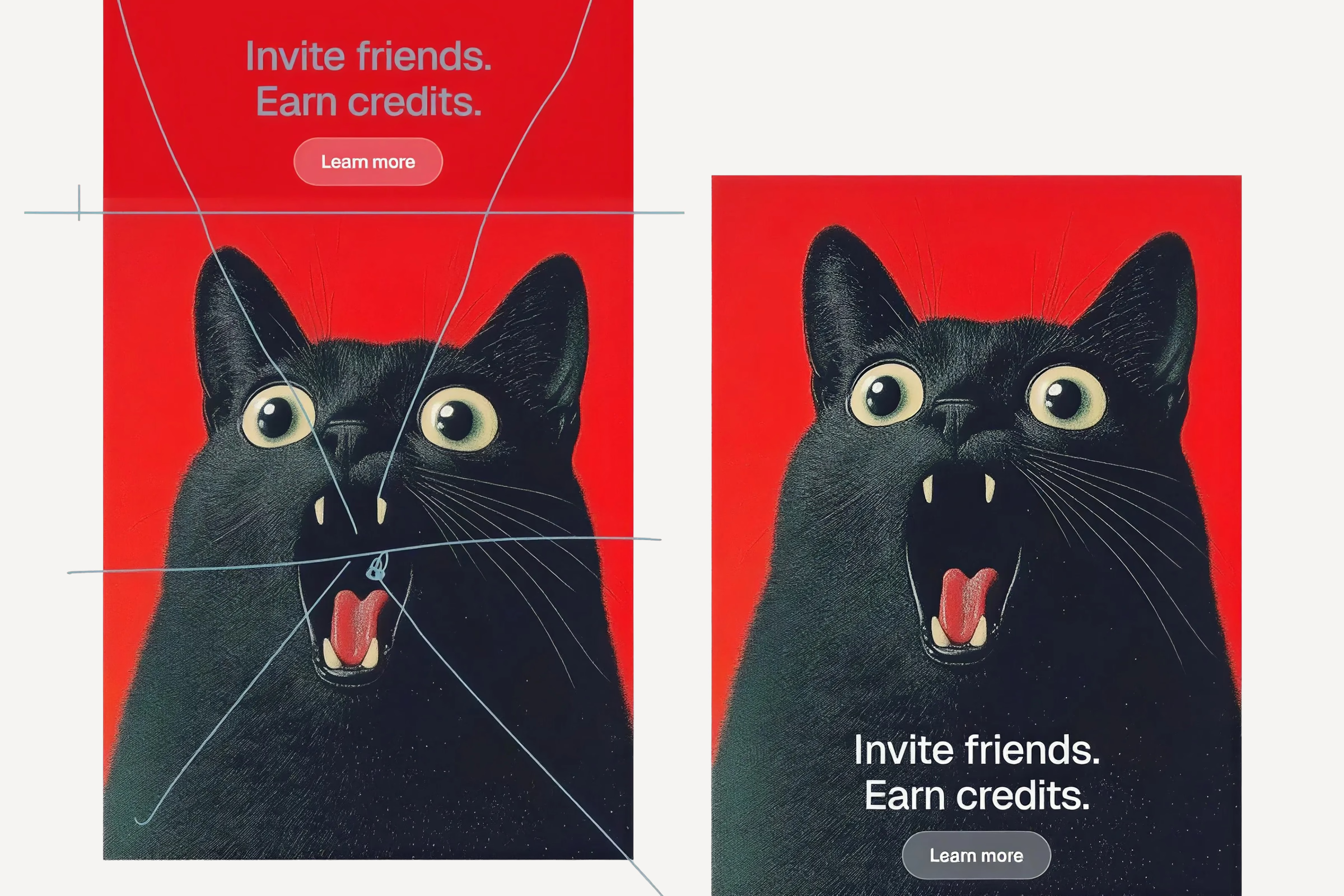
Why a $250K branding disaster can happen to your startup too
I just witnessed something that made my stomach drop. We started to work with a promising B2C startup that threw $250,000 at a prestigious branding agency… and completely abandoned everything 4 weeks after brand launch. Here’s what went wrong. This…
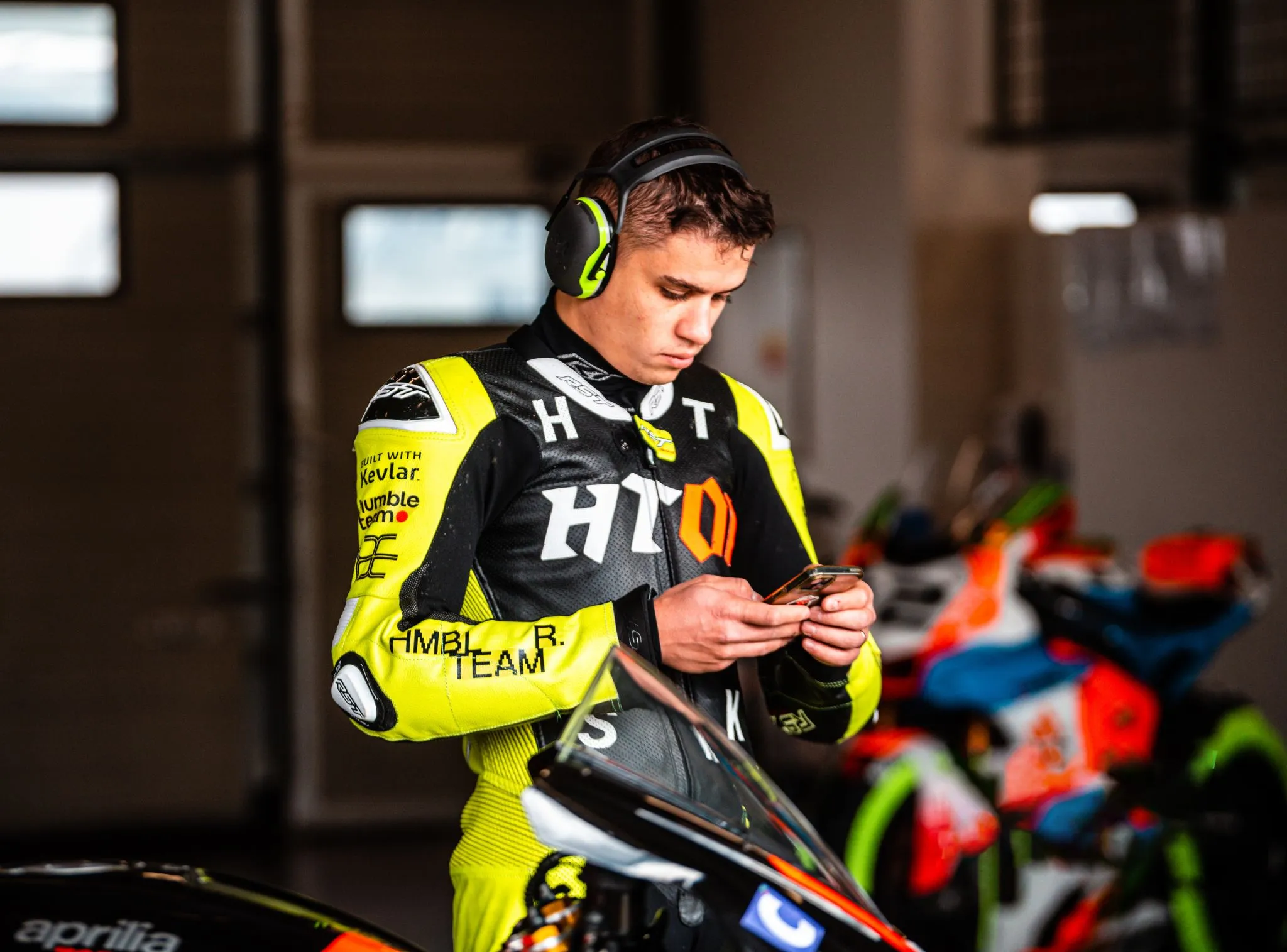

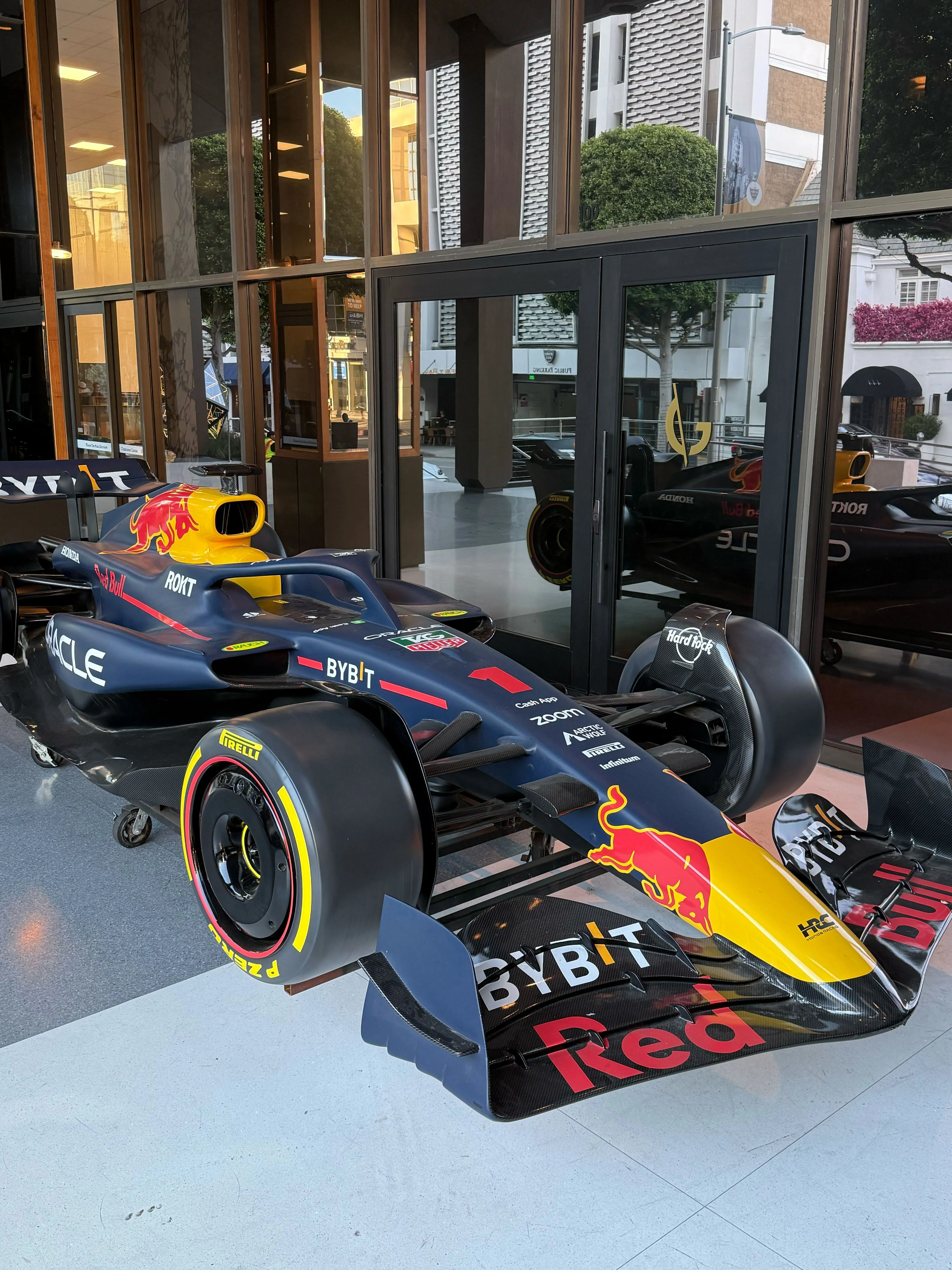
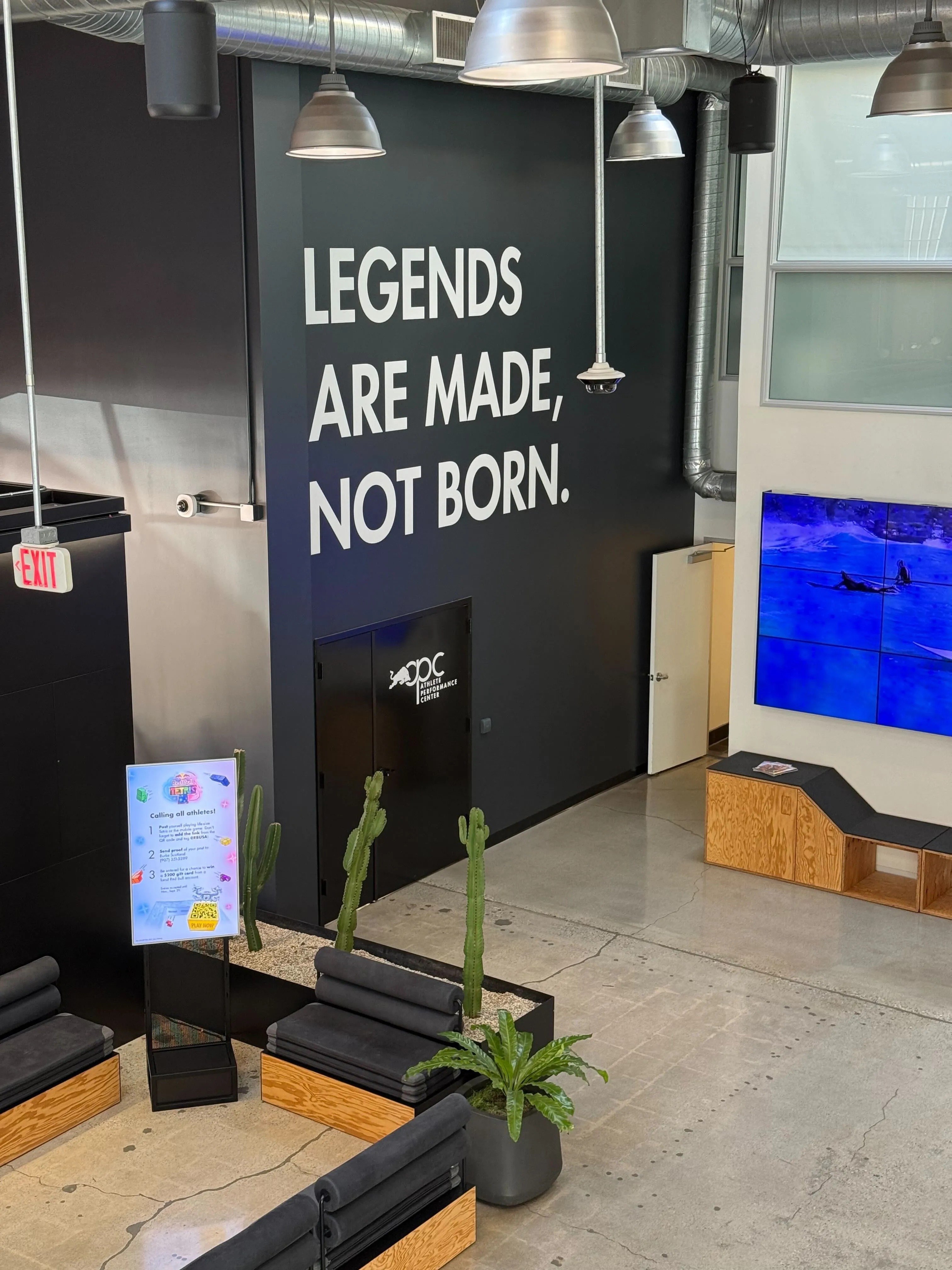
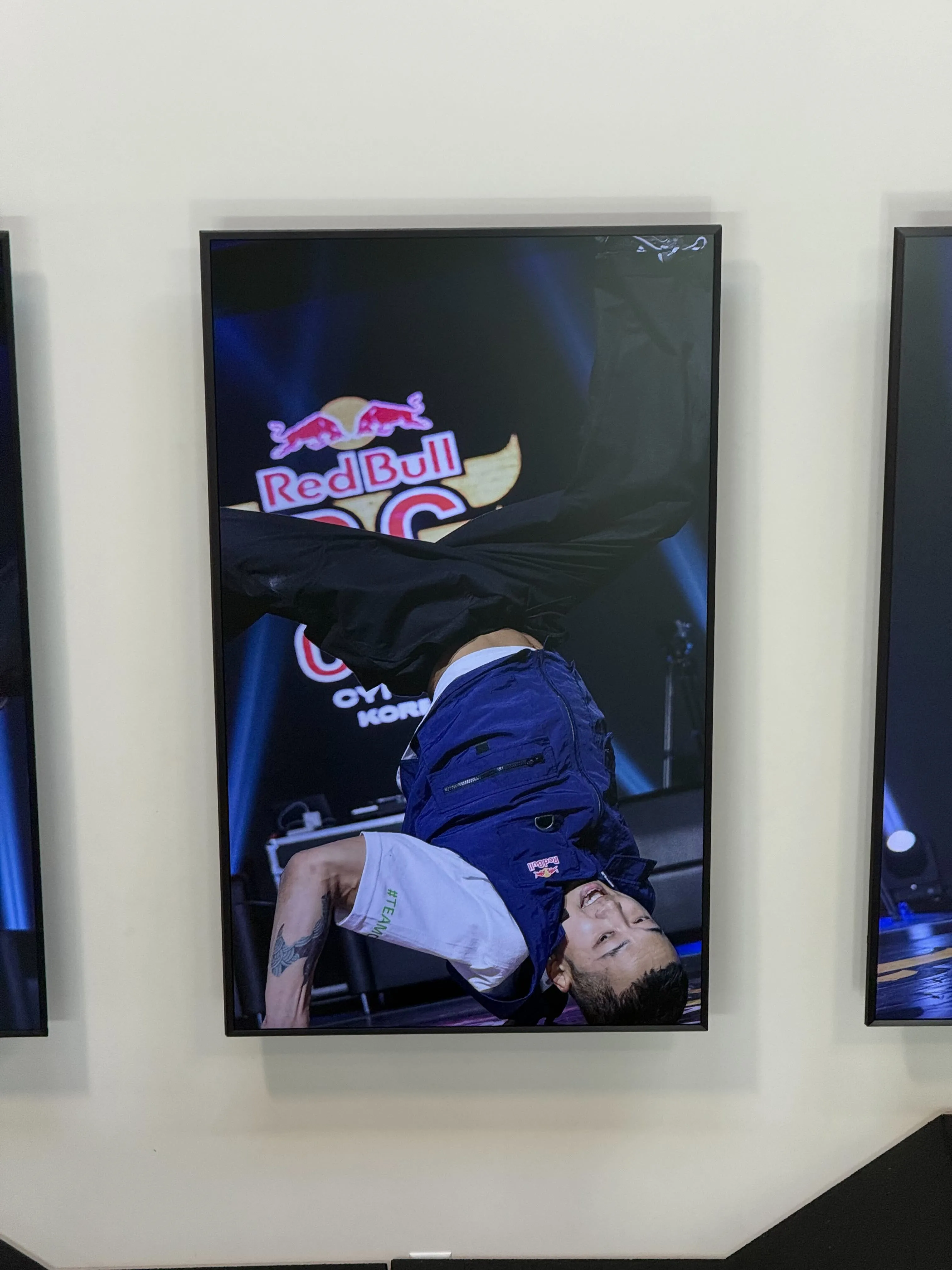
Where to look for references?
One of the most interesting things we’ve been working on lately is ticketing mechanics for football clubs. Every stadium ticket purchase usually has a small betting game attached to it — predict the result, and if you get it right,…
Have a question these posts do not answer?
Describe the product and what is in the way. You get a reply within 24 hours with the closest cases, a timeline and an estimate.
Last updated