Tested product in 5 days. Why teams choose Humbleteam over Active Theory
Active Theory builds interactive web, XR, and game-like experiences for brand moments. We design the products people open every day, and we move fast: one banking MVP went from zero to a tested product in 5 days.
Facts about Active Theory from their own site and LinkedIn · October 7, 2026

How each company describes itself
Active Theory
Active Theory says it was founded in 2012 and describes itself this way: “We blend story, art & technology as an in-house team of passionate makers.” The work section on activetheory.net lists 65 projects tagged as websites, XR, games, installations, multiplayer, and AI pieces.
Clients named on their site include Google, Microsoft, Adidas, and IBM. Their site also points to a lab, described as the place where prototypes turn into production projects. LinkedIn lists the company at 11–50 employees with a global location.

Humbleteam
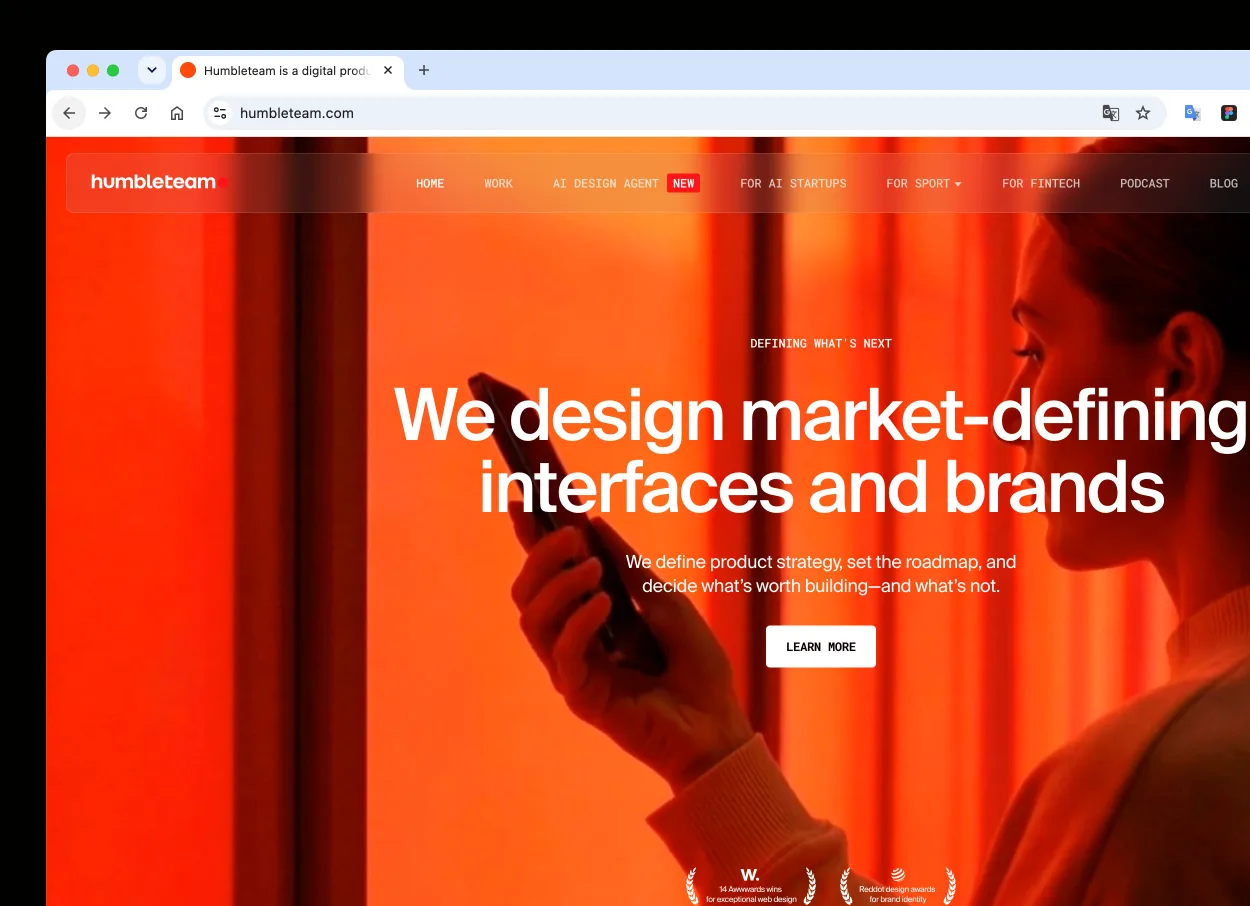
A banking MVP for ING Amsterdam went from zero to a tested product in 5 days with our team. That pace is normal for us: the average brief reaches a first clickable prototype in 2 weeks.
The studio behind those numbers is 49 people, split between a Prague office and a Dubai office, so European and Gulf mornings are both covered. The depth sits in products with real users and real rules: 56 fintechs, 30+ major banks, healthtech platforms, sports apps, and AI tools. Since 2017 we have shipped 200+ projects and collected 80+ design awards.
Three reasons teams pick us over Active Theory
Each reason comes with a number you can check on our site or our Clutch profile.

A tested product inside a week
Five days after kickoff, our ING Amsterdam team had a B2B banking MVP tested with users. For ING’s small-business banking, we went from a blank canvas to a user-tested prototype in 23 days. On a typical project, the first clickable prototype lands 2 weeks after the brief, and we reply to a new enquiry within 24 hours.

Products people use every day
Our work lives in apps with logins, limits, and states: onboarding, KYC, payments, dashboards. We have shipped 56 fintechs and worked with 30+ major banks. For AI products we design the platform UX, and our AI agents now sit inside client design teams for handoff, QA, and design-to-code drafts.

Senior people since 2017
Humbleteam has run since 2017 and shipped 200+ projects. The senior designers on a project average 9 years of experience, and the people on your first call are the people who do the work. On Clutch, 35 client reviews average 4.9, and 70% of our clients return for a second project.
Humbleteam vs Active Theory, side by side
Every Active Theory fact here is from their own site or LinkedIn page. Where they publish nothing, the row says so.
| Compared on | Humbleteam | Active Theory |
|---|---|---|
| Time to a tested prototype | 5 days for a B2B banking MVP with ING Amsterdam | Not published on their site |
| Brief to first clickable prototype | 2 weeks on average | Not published on their site |
| How fast you can start | A reply within 24 hours; a project can start next week | Not published on their site |
| Fintech and regulated depth | 56 fintechs and 30+ major banks | Not published on their site |
| AI in delivery | AI agents installed in your design team, in your accounts; our own work runs 20–40% faster with AI | AI appears as a project tag, for example a film made with generative AI tools |
| Independent proof | 4.9 on Clutch across 35 reviews; 80+ design awards, 14 of them Awwwards | Their site calls the work “award-winning” and publishes no count or review score |
| Best known for | Product design for fintech, sport, healthtech, and AI products | Interactive web, XR, games, and installations for brand moments |
When Active Theory is the better call
Two briefs fit their portfolio better than ours.
A WebGL or XR brand experience
If the brief is an immersive 3D world, a multiplayer event, or a browser game for a launch, Active Theory’s work section is built around exactly that kind of piece.
A physical installation with live visuals
Their site shows installations and conference openers driven by real-time graphics. For a one-off experience on a stage or in a venue, that background is the closer match.
What we bring to the table
Speed, vertical depth, and client ratings in three numbers.
5 days
zero to tested product
B2B banking MVP with ING Amsterdam
56
fintechs shipped
plus 30+ major banks
4.9
Clutch rating
across 35 client reviews
Work you can check
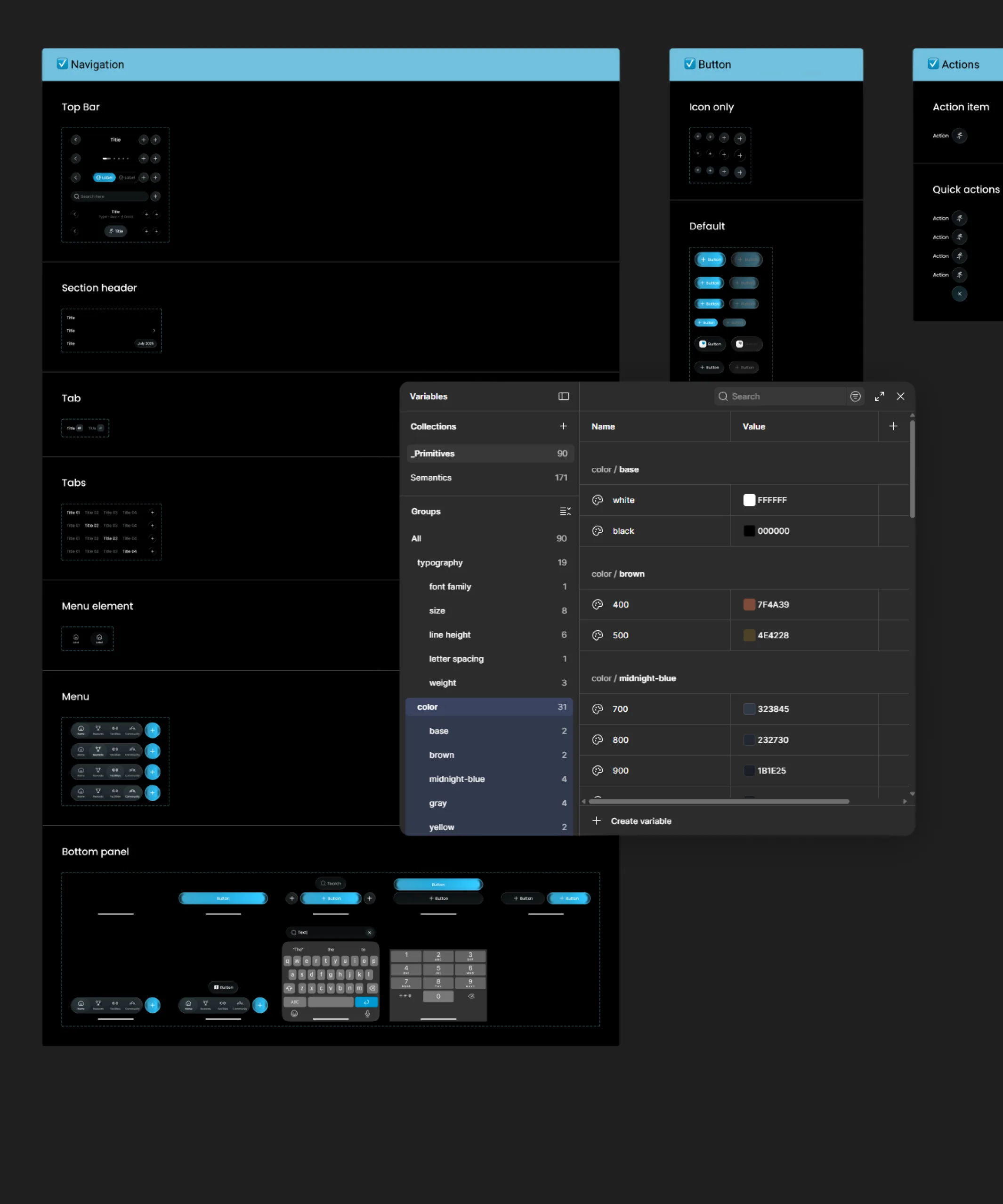
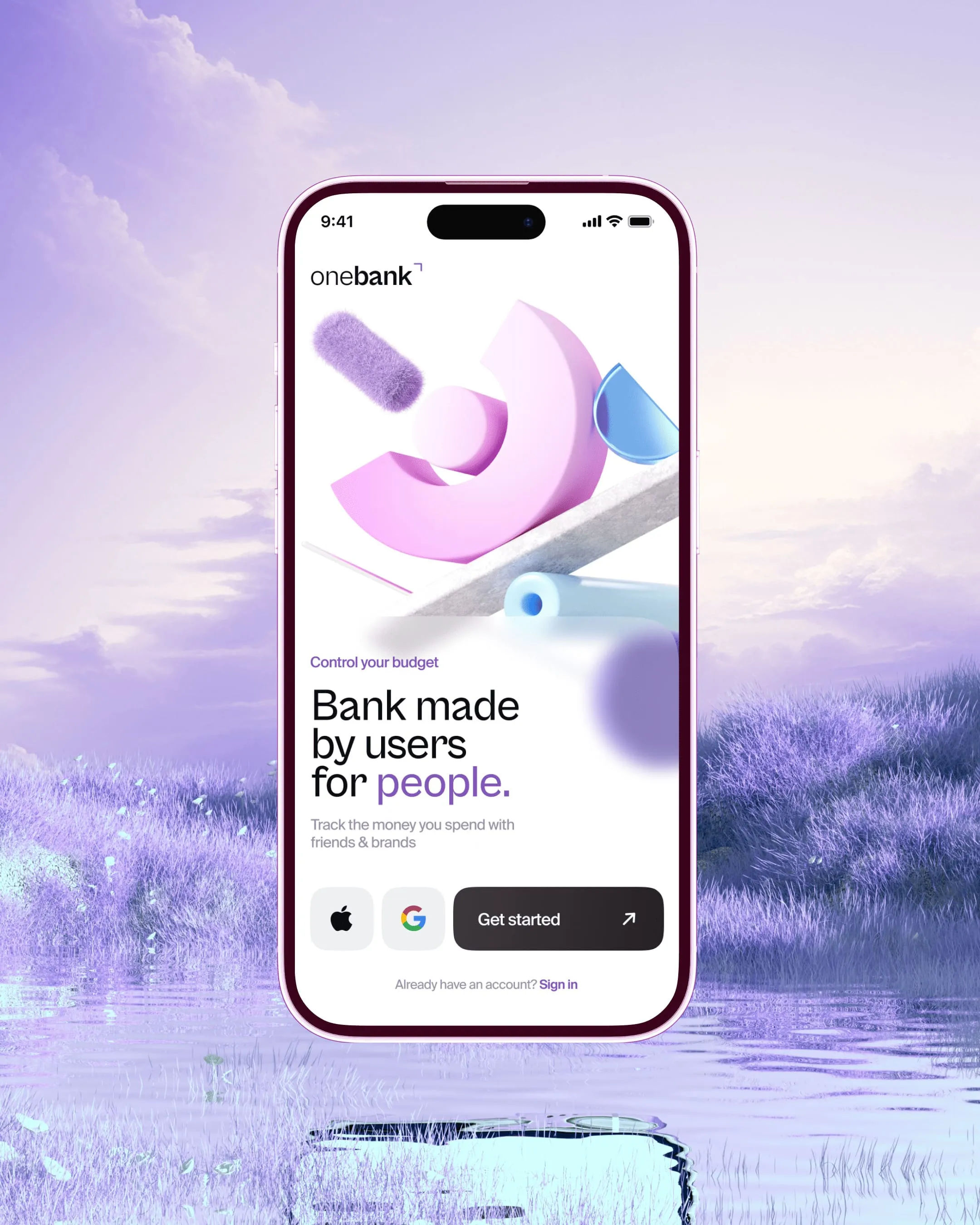
Three shipped products, each with users who log in every day.

Put us on the shortlist.
Send your product and the decision you are trying to make. We reply with the cases closest to it, a timeline and an estimate — and we will say so if the other option is the better fit.
Questions?
Is Humbleteam a good alternative to Active Theory?
Yes, when the brief is a product with users who come back every day. We have shipped 200+ projects since 2017, including 56 fintechs and work for 30+ major banks, and our average brief reaches a clickable prototype in 2 weeks. Active Theory’s site centers on interactive web, XR, and installations, so for a launch-day 3D experience their portfolio is the closer fit.
Humbleteam or Active Theory: who delivers faster?
We publish our speed, and Active Theory’s site does not publish theirs. Our team took a B2B banking MVP with ING Amsterdam from zero to a tested product in 5 days, and delivered a desk-booking app, website, and design system for Logitech in production in 4 weeks. Every new enquiry gets a reply within 24 hours, and kickoff can happen as soon as next week.
Which agency fits a fintech or SaaS app?
Humbleteam fits better: 56 fintechs shipped, 30+ major banks, and design for SaaS and AI platforms such as Cluely. We know the screens that regulated products need, like KYC failure states, card limits, and dispute flows. Active Theory’s project tags cover websites, XR, games, installations, and multiplayer, with no fintech or banking tag. On a first call, ask each team to show an onboarding flow they designed and tested with real users.
How big is each team, and who does the work?
Humbleteam has 49 people in Prague and Dubai, and LinkedIn lists Active Theory at 11–50 employees with a global location. Their site describes an in-house team of makers. At Humbleteam the senior designers on a project average 9 years of experience, and the people on your first call are the ones who design your product, from strategy through UX/UI and the design system.
How much does each cost, and how soon can we start?
Neither Humbleteam nor Active Theory lists prices online. Our formats are a fixed-price audit, a scoped implementation, or a monthly retainer, and the first call ends with an estimate. We reply to new enquiries within 24 hours, and a project can start the following week. Active Theory’s site lists a contact email and does not publish engagement models or start times.
Other comparisons
Same structure, same sourcing rules, one page per shortlist we keep meeting.
What we checked, and when
Everything stated about Active Theory on this page comes from their own public pages, read onOctober 7, 2026. We describe what they are strong at, not what they are bad at. If something here is out of date or wrong, write to hi@humbleteam.com and we will fix the page.
- activetheory.net — home, work section, and contact · read October 7, 2026
- LinkedIn — Active Theory company page · read October 7, 2026
Last updated