Mobile app design for healthtech, from pairing to daily habit
Patients use health apps tired, worried, one-handed, and often older. We design patient and device apps for those conditions: a first reading on day one, results with a next action, and a reason to come back tomorrow.
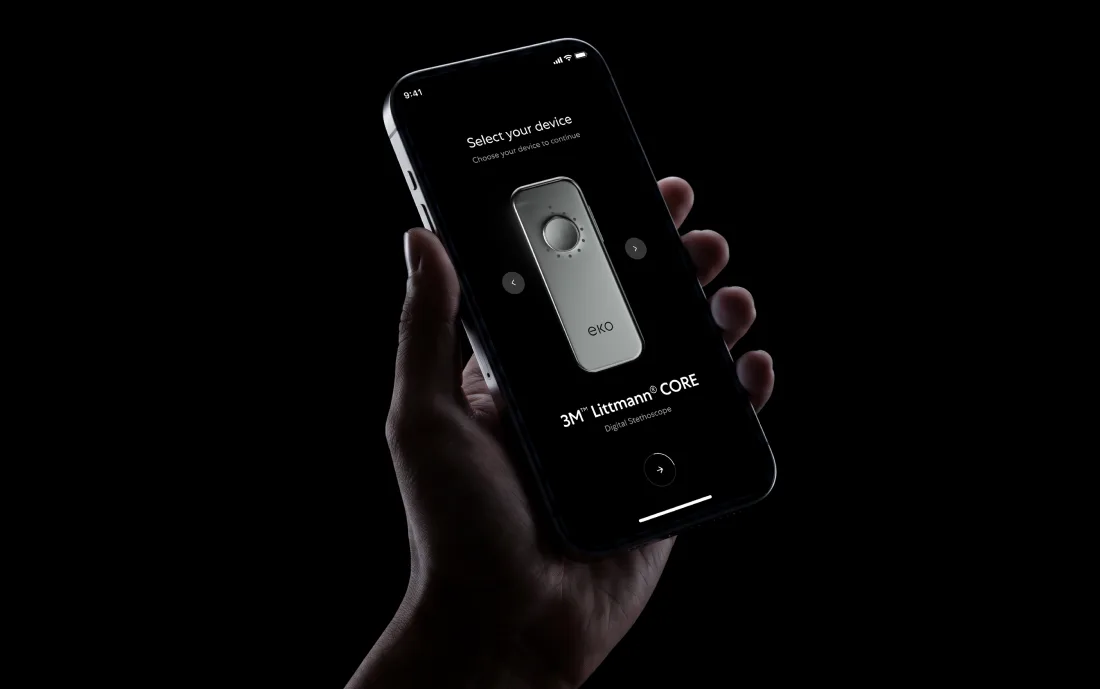
Why healthtech teams bring us in for mobile
A health app is judged on the second day, not the first.
Anyone can set one up. The design problem is the reason to open it tomorrow.
Types of healthtech apps we build
From the first clickable prototype to an app a patient opens every morning.
- 01Onboarding and consentAccount, eligibility, and what happens to the data, in language a patient reads.
- 02Device pairingThe setup flow that decides whether the app is ever used at all.
- 03Readings and resultsA number, what it means, and the one thing to do about it.
- 04Symptom and habit trackingDaily entry that takes under a minute and survives a missed day.
- 05Care team messagingAsking a question, and knowing when an answer is coming.
- 06Appointments and remindersBooking, preparation, and the nudge that gets someone to show up.
- 07Medication and adherenceSchedules, refills, and what to do after a dose is missed.
- 08Accessibility as a base stateLarge type, high contrast, and screen-reader paths designed in, not retrofitted.
The three flows that decide a health app
Where we spend most of the design time, and why.
First reading, first day
Account, consent, device pairing, and one successful measurement before the user puts the phone down. If the first session ends without a result, the second session usually does not happen.
A result with a next action
Number, range, plain-language meaning, and what to do now. Inconclusive gets its own designed state. Urgent gets a path that does not depend on the user recognizing it as urgent.
Coming back tomorrow
Reminders that fit a real routine, logging that takes 10 seconds, and progress that stays encouraging after a bad week. In health, retention is a clinical outcome.
Healthtech work you can read
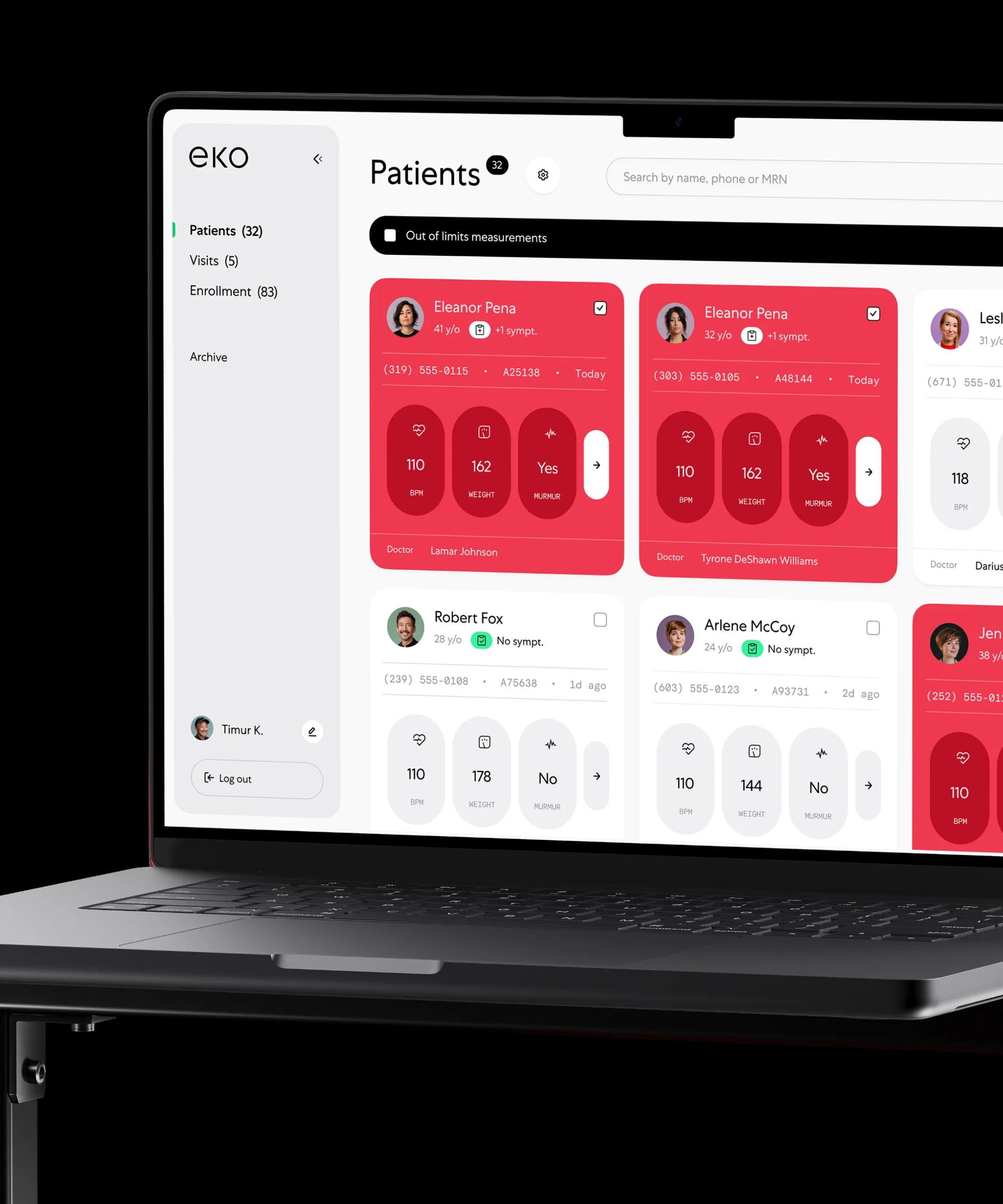
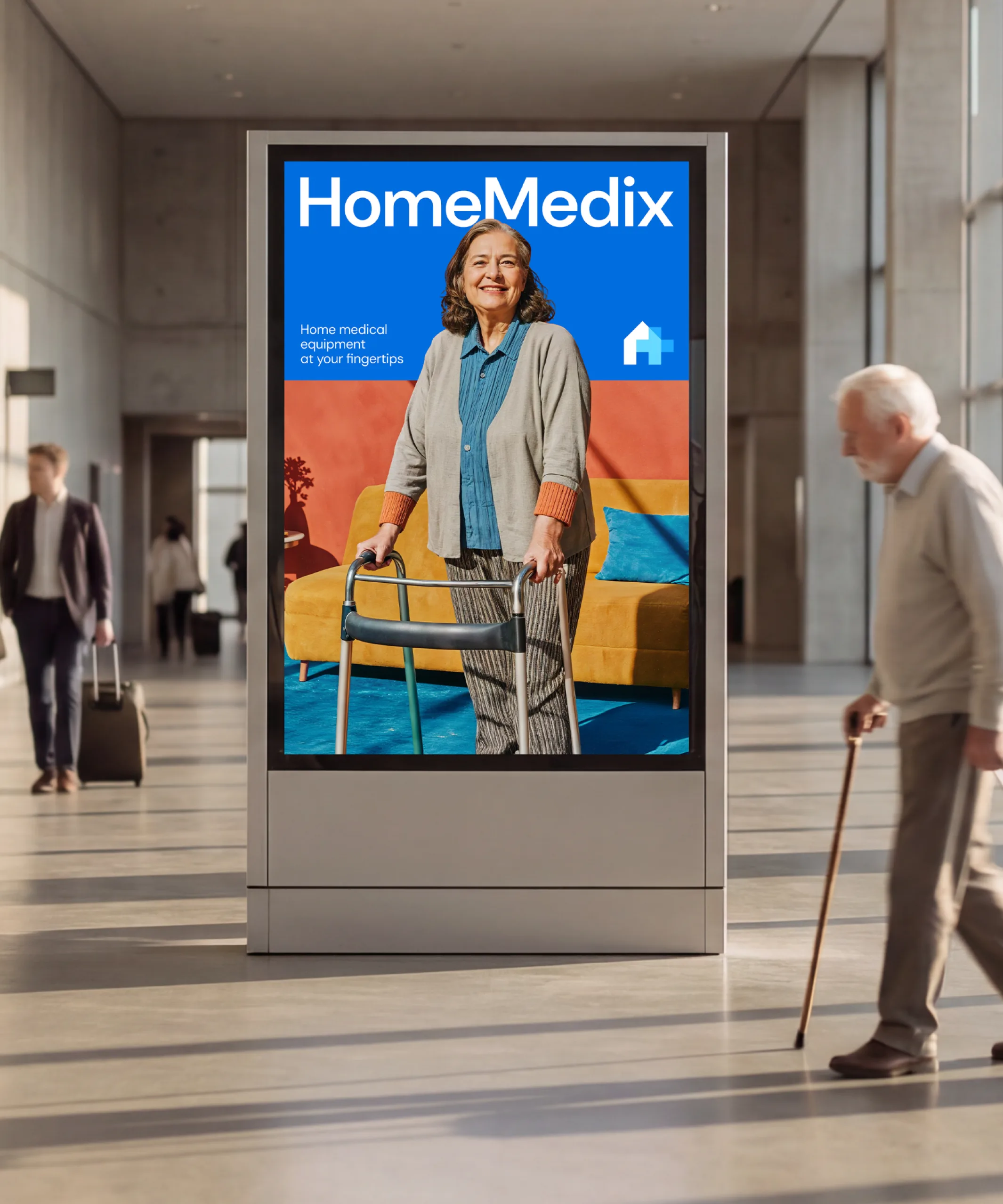
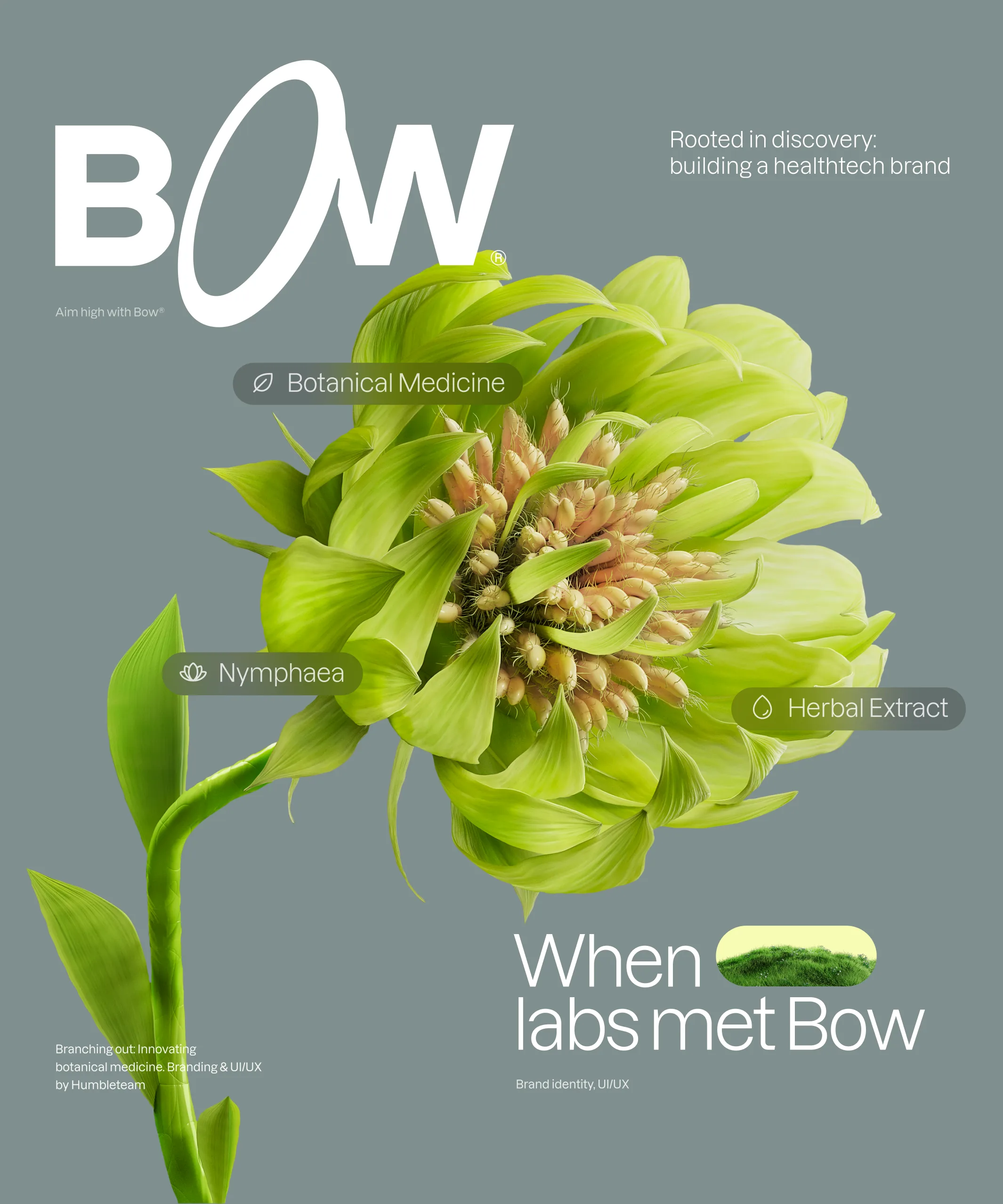
Three published cases, device to brand.
From idea to launch
Planned around the patient’s week, not around our sprints.
Context
Who uses this, in what condition, on which device, and with how much patience.
Pairing and first day
Setup and the first real reading, designed as one flow and tested on hardware.
The daily loop
Entry, result, and next action, short enough to survive a bad week.
Accessibility and system
Type, contrast, targets, and screen-reader paths, handed over in code.
Validate and ship
Tested with the patients it is for, then read against the numbers we agreed.
 Marcel Art
“Their high level of quality work and professionalism was impressive.”
Nurit Gazit · Head of Product
Read the full review
Join hundreds of teams. And counting.






































See what this would look like on your product.
Send the product and the deadline. You get a reply within 24 hours with the closest cases, a timeline and an estimate.
Questions?
Do you design apps that pair with medical devices?
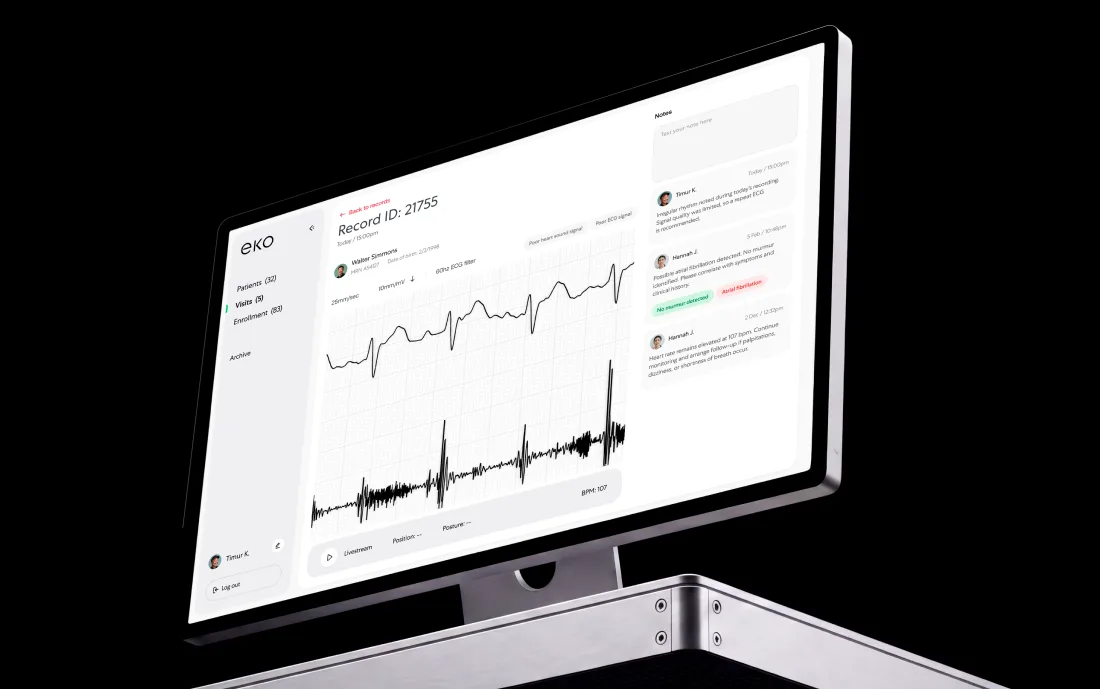
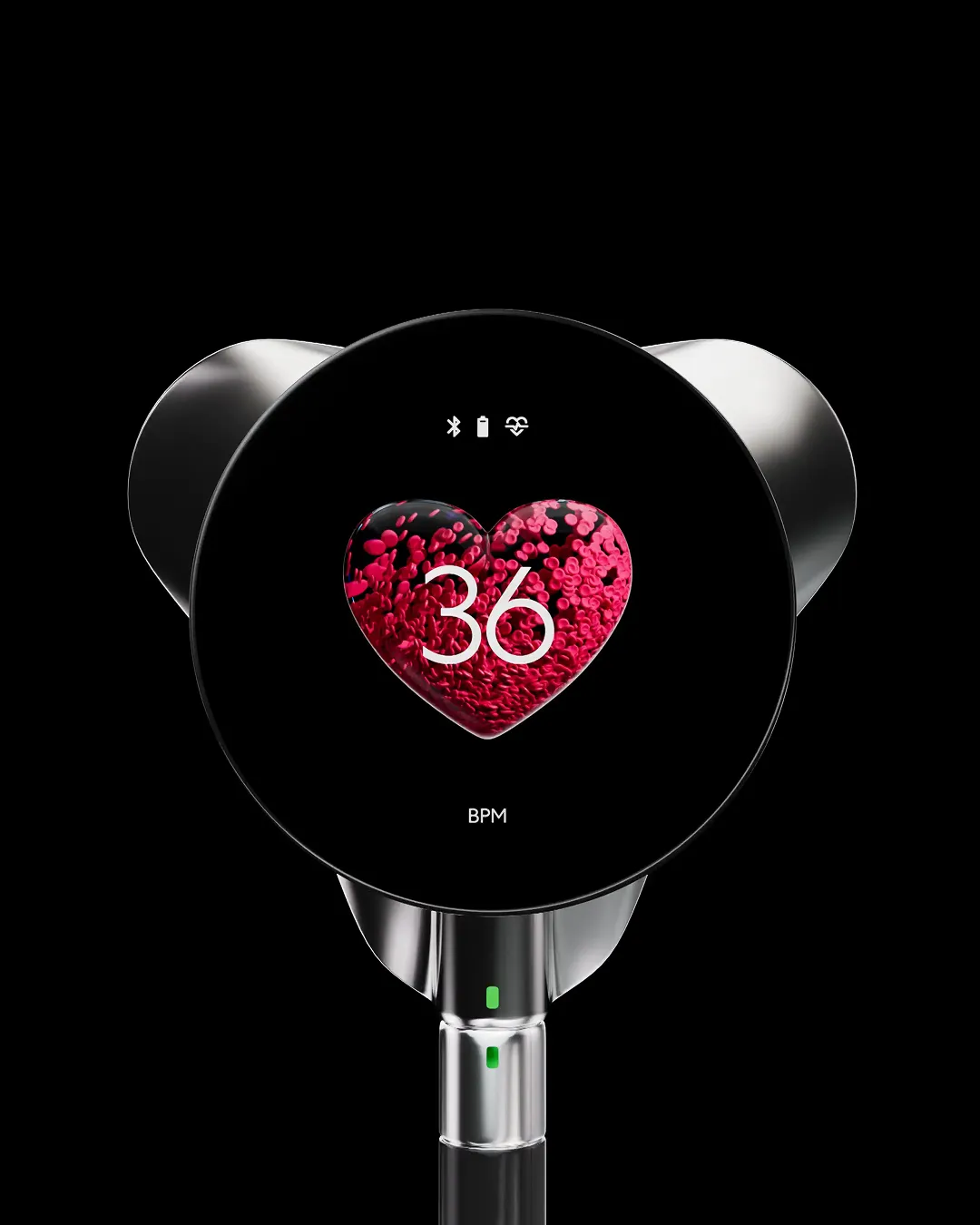
Yes. Eko Health is exactly that: a digital stethoscope with software around it, where pairing, capture quality, and retry are as much of the product as the results screen. We design that handshake as a first-class flow.
How do you approach accessibility for older patients?
As the default. Type and contrast are set for a 65-year-old in bad light, targets are sized for imprecise taps, and every state is labeled for a screen reader. Designing this in from the start is cheaper than retrofitting it, and it makes the app better for everyone.
Can you help with adherence and retention?
Yes, and it is usually where the biggest clinical gain is. We design the reminder logic, the logging effort, and the tone of the progress feedback. We avoid streak mechanics that punish a bad week, because a broken streak is a common reason to delete a health app.
Do you handle privacy and consent screens?
Yes. We design consent to be understood: what data, why, who sees it, and how to withdraw, in plain language inside the flow. Your legal team reviews the wording.
Can you design the app around hardware we do not control?
Yes, and it is the common case. We design the pairing and error flows around what the device firmware actually does, and we are explicit about which problems need a firmware change and which can be solved in the app.
How do you know whether the app got better?
We agree the numbers before the work starts — completion of setup, first reading on day one, return on day seven, support contacts per thousand sessions — and read them after release. If one did not move, we say so.
Last updated